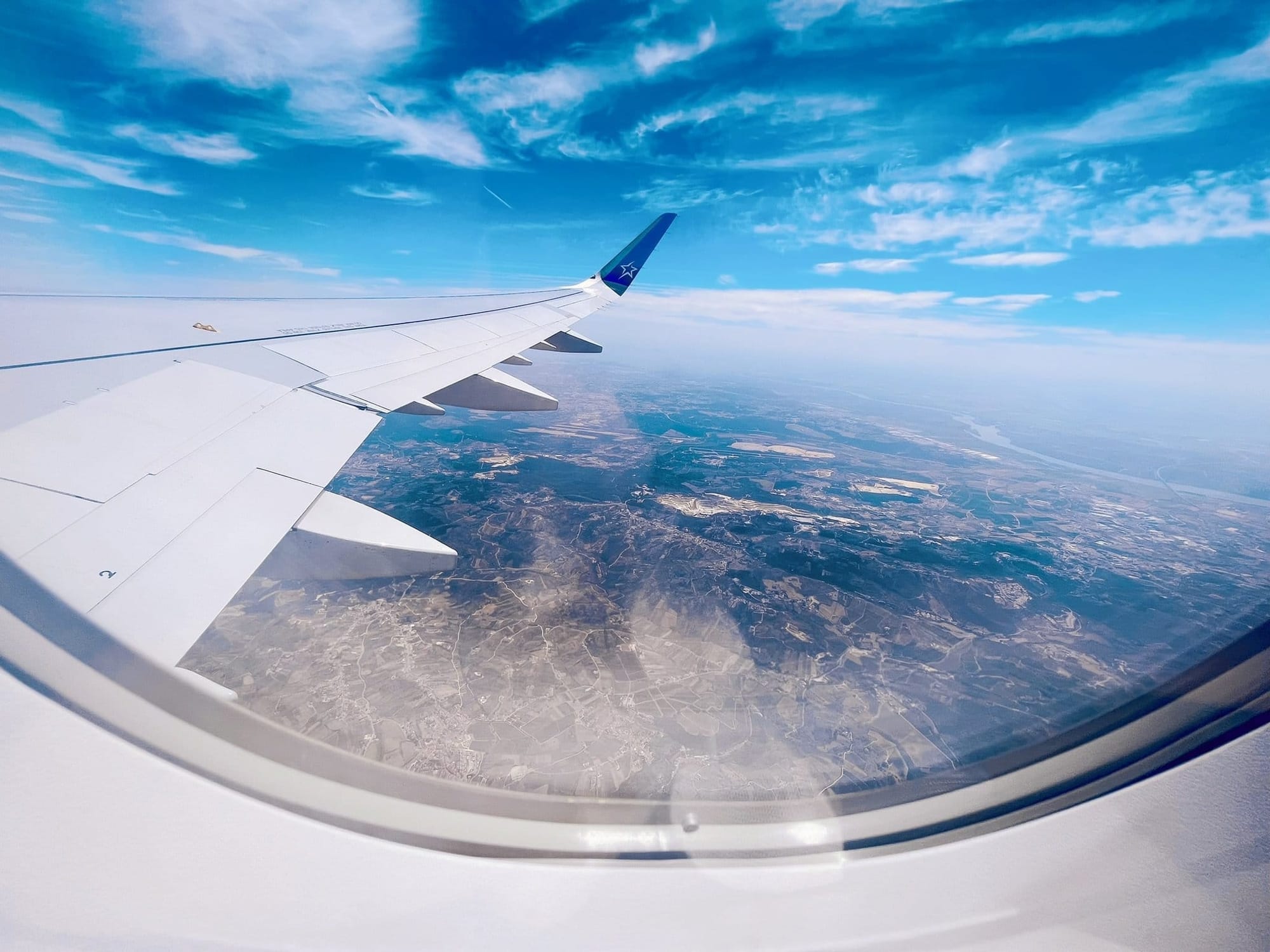
From Wanderluster to Traveler: Making the Big Leap
I used to think it was so hard to travel. Where do I stay? How do Visas work? What about public transit??? And, oh my gosh, don’t even get me started on money.
The list is endless… if you let it be.
For me, it was never about the fear of travelling itself. I knew I wanted to travel; I just didn’t know how. It was the confidence I needed to say, “Hey, I’m going to [such-and-such place] at [so-and-so time], and no one and nothing can stop me,” that was the hard part.
Turns out, I just didn’t do my research. But I’m not blaming myself or anyone else. The thing is, in order to get up and go, there needs to be a mental readiness and push as well. That time will come differently for all of us. Without it, you might do all the research and preparation you want and still not get out of that chair.
Having lived with my parents for most of my life, it can feel difficult to do anything without seeking their approval first. Not even approval. A blessing, if you will. Even if they vehemently disagreed with my choices, I’ve had my fair share of going against their wishes. But disagreement and wishing one well are two different things, and I often wonder if our arguments stemmed from their own fear of me leaving the nest.
At some point, though, you need to stop feeling the need to seek others’ approval for your decisions, which is different from seeking advice. I realized that I’d spent so much of my life fighting to validate my dreams and actions when, really, all I needed to do was just go.
Easier said than done, right?
Travelling does require base minimums, such as money, time, and self-sufficiency. The trap lies in thinking you need more money, more time, more self-sufficiency (aka. the ability to take care of yourself). These are things you can earn and learn on the road.
Here are some tips and tricks to get you started:
Know your strengths and weaknesses
I, myself, know that I’m more book smart than street smart, and that factored into a lot of safety issues when I was planning my trips.
I have a great sense of direction, so I knew I wouldn’t have major issues navigating new places, especially with Google Maps on my side.
On the other hand, I’m prone to common tourist traps, like people posing as charity representatives to ask for “donations” (eek, let’s not go there again). Be wary, be wise.
After your first few trips, you’ll have a much better sense of what you need to improve on travel-wise.
Have a list of resources to contact if you run into any trouble, such as your country’s government office at the destination and the local emergency number.
Be clear and strict on what you’re willing and not willing to do
Especially if this is the first time you’re travelling or travelling alone.

Just because you’re going on an adventurous, exciting trip that all the movies would be glamourizing doesn’t mean you have to party it up, do drugs, or have sex with the first person you meet.
Personally, I don’t smoke, I rarely drink, and I’m not super into the party life or “networking” for networking’s sake. I’m an introvert; I like my alone time.
Your travel should be about you, so do whatever is comfortable for you. That doesn’t mean don’t try new things or have a drink or two; it just means keep yourself safe, and don’t let others pressure you into doing anything you don’t want to. Saying “no” will be one of your best skills. If you do decide to engage in something wild, just be aware of the risks and your purpose for doing so beforehand.
Not partying or drinking doesn’t necessarily mean you lead a sheltered life (in fact, sometimes the opposite is true). These are all personal choices; there are many ways to live your life. Trying a new sport abroad is also an example of an activity the risks you should be aware of before engaging in it. Respect others for their choices, and let them respect you for yours.
Start with budget travelling
If you’re going to Europe, you won’t be at any loss for budget-friendly, low-cost accommodations. The hostel system there is wide-spread and accessible via a variety of websites/apps, most notably Hostelworld. Couchsurfing is also an option if you’re comfortable with that. If you have friends at your destination, ask to stay at their place.
Whenever possible, take public transit. I find it’s one of the hardest things to figure out in a new place, but once you have it down pat, your wallet will thank you! It’s probably safer than taking a private cab everywhere; just try to pack light if transit’s your best friend.
Money (ah, yes)
Where you’re based (i.e. your home location) does make a difference. It’s just infinitely easier to travel within Europe, for example, with their extensive rail system and cheap flight tickets, than in North America.
So if you ever get jealous hearing about your friends’ travel stories from across the ocean, remember they’re paying 80% less to country-hop than what you would in a comparable amount of land in Canada or the United States.
But we all have to start somewhere, so what do you do? Save up enough money for that round-trip flight plus some extra for daily living, then GO. What trips people up (pun intended) about money is that they’re always concerned with making more before the big leap. Once you start travelling, you’ll realize you need a lot less to survive on than you thought. Minimalism, anyone?
Go on a couple trips with friends first
This is one of the best ways to ramp up to solo travelling, but be mindful of who you choose to travel with. Travelling can bring a lot of unexpected, stressful situations, and some friendships have been known to disintegrate as a result.
Even friends you’re totally fine with in daily life may not be the best travel partner for you, or you may not have as much in common as you thought. (Remember, you’ll likely be sharing rooms.)
Nevertheless, travelling with friends offers safety, reassurance, and emotional support when things get rough. You might not be able to eat at that restaurant you’ve been eyeing unless everyone agrees (or just go by yourself and meet them later, your choice), but you’ll have people to make special memories with… and be your personal photographer.
Don’t overdo it
I fell into all the tourist traps of sightseeing and getting as much done as possible on my first solo trip (excluding my solo retreat trip, where everything was planned). Tourism is about making a profit; traveling is when you make time for yourself.

Even though I slept in as much as I wanted and ate whenever I needed, some days I still felt exhausted and lonely.
There are also some tourist activities you could probably do without, like going up the city’s radio tower. It’s expensive, and the view from up top is not too unlike the view from your own city’s radio tower.
Take the time to do what you want emotionally and physically, even if that’s lounging in a park somewhere. Vitamin D is always a good essential to pack.
“Why don’t I just become a flight attendant?”
This is too long to answer here, so I wrote another article about it.
You don’t need anyone’s approval (to travel)
The want for approval is universal; the realization you don’t need approval is something we all work toward.
Like with anything else, some people may question your reasoning or your need to travel. That’s ok. People will ask. I say do what feels right for you.
Again, that doesn’t mean charge blindly into dangerous situations. It just means you have the power and authority to be the leader of your own life, however you choose to live it. Just make sure it’s truly your choice.
Solo travelling is not for everyone, and that’s ok
Some people prefer to travel in groups or with family and friends, and that’s completely valid. Both solo travel and group travel offer pros and cons. Do what you’re comfortable with.
Travelling in general is not for everyone, and that’s ok
Whether it’s a fear of flying or not feeling the desire to go anywhere, travelling may not be for everyone.
It could also be that you don’t like to travel a specific way. I get a bit carsick (a learned phobia), so I avoid road trips whenever possible.
Constant travelling is not for everyone, and that’s ok
It takes A LOT to be on the road constantly. There have been moments in my travels that I wanted nothing more than to be back home.
It can also take time away if you have family responsibilities, and they’re not joining you on the trip. Many first officers (co-pilots) have even refused a promotion to Captain because of the time they’d need to be away from their loved ones (there’s a shortage of pilots right now).
Conclusion
How do I know this is right for me? That feeling I got whenever I sat in a plane and it took off. The disappointment I felt whenever we left to go home.
Now that I’ve been on so many planes and have experienced truly solo travelling, that feeling has morphed into something different (or maybe I’m just numb from so many altitude changes). But the dream is still there.
I’ve always held a special regard for the airport environment. I find it romantic, so many people going so many places.
I travel because I have a love of learning that travel fulfills. I’m searching for my next place of residence, and my friends have told me living as an expat isn’t as hard as it seems; in fact, it’s easier to make friends as an expat because that itself becomes a topic of conversation.
When you do the things you want to do, you’ll meet the people you want to meet.
Voilà! You have officially begun the transition from wanderluster to traveler. See you where the world takes you next ;)
Related reading:
“Why don’t I just become a flight attendant?”