The Best Matcha Soup in Tokyo! Exploring Japanese Cuisine & Desserts
If you know me, you'll know that I absolutely LOVE matcha. It's my daily go-to, except when I'm sick and have to stay away from caffeine (though matcha already has significantly less milligrams of caffeine than regular coffee).
Matcha mochi, matcha lattes, and my all-time favourite: matcha mille crêpe.
But it's not just the matcha; Japan is famous for elegant and delectable cuisine and desserts that have people drooling at the mouth for their intricate and kawaii designs, chewy texture, and flavourful bites. It's culinary heaven for foodies.
Here are the best places I personally ate at in my five days in Tokyo, as well as options for foodie gifting and shopping.
Ōyama-en
Best for: the matcha!
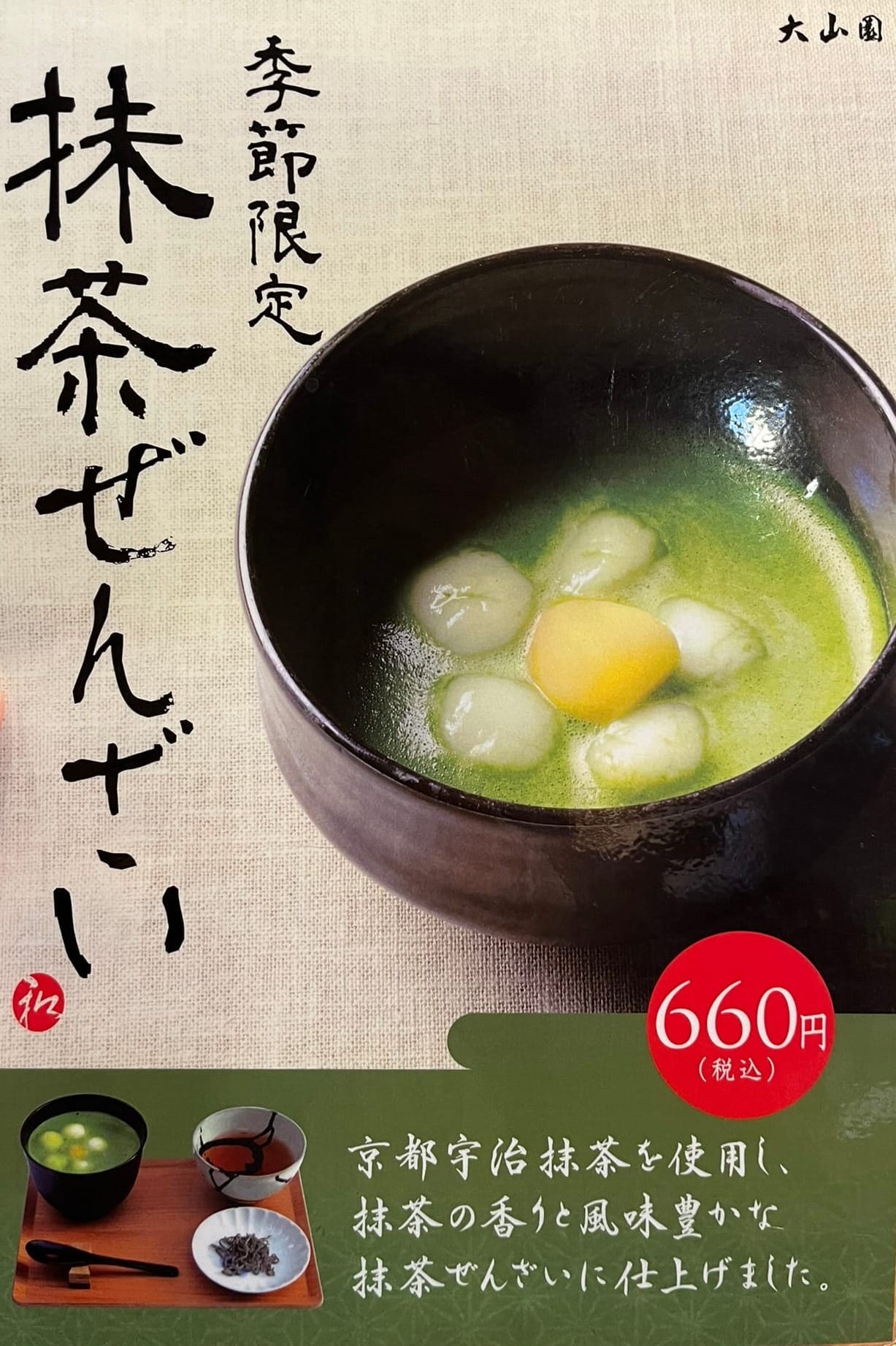
Look no further for the best matcha in Tokyo – you can get a taste of it right at this hole-in-the-wall café for only 660 yen! (That's about C$6.60 or $4.14 or €3.58.)
Located along Happy Road Oyana Shopping Street right at Oyama Station, this café is one of those mini establishments that's super easy to walk by if not for the enticing A-frame outside the door advertising their house special seasonal matcha dessert soup with mochi balls.
It was the first time I'd ever heard of matcha soup, and I consider myself an expert in all things matcha.
Apparently, this dessert soup is called matcha zenzai, usually consisting of mochi and red beans (anzu) along with the matcha and green tea powder. Ōyama-en's premium-grade Uji Matcha is sourced from Kyoto.
I dragged my mom, unfortunately not a lover of matcha, inside and wrestled languages a bit with the confused owner at the counter before he understood what I wanted.
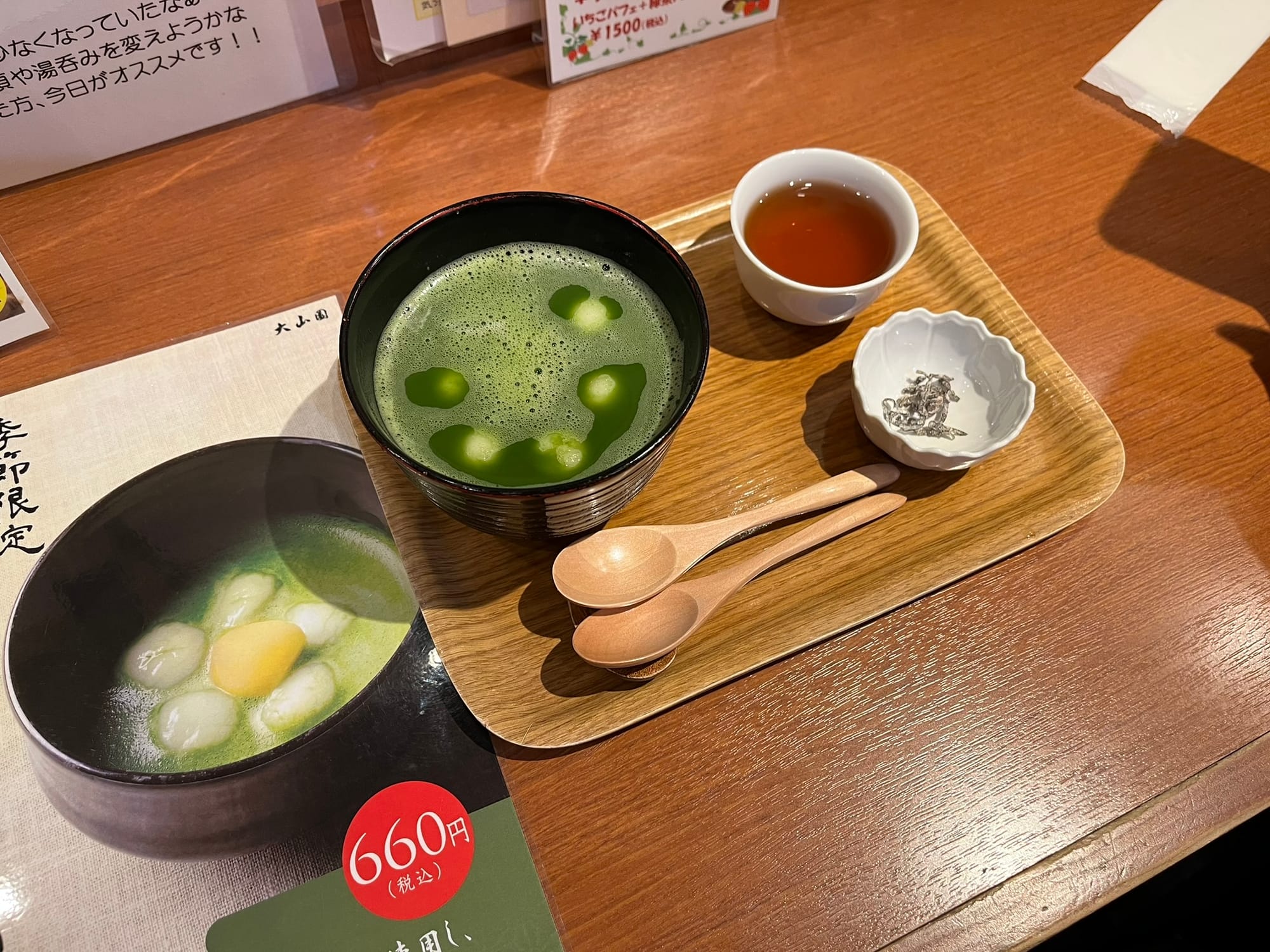
He sat us down at a small wooden bar, and a kindly elderly man brought out our tray of soup, tea, and pinches of salt. We didn't know what the seaweed-like shreds were at first, even moving to put it into the soup before the elderly man showed us with a gentle laugh and lively hands that we were supposed to eat a bit as a balancer to the sweet soup.
The matcha soup was absolutely delicious – not too sweet and still bursting with umami. Even my mom loved it.
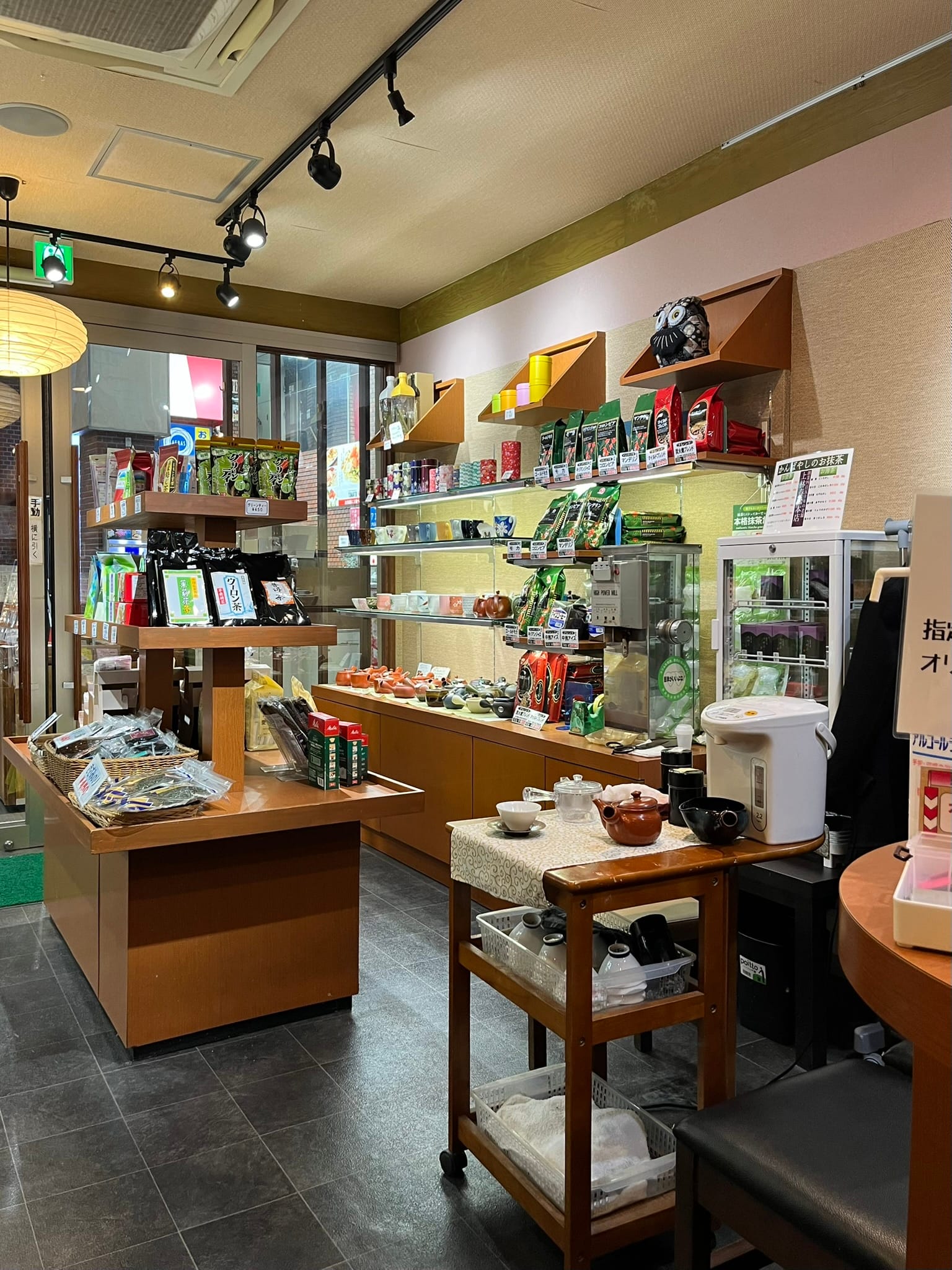
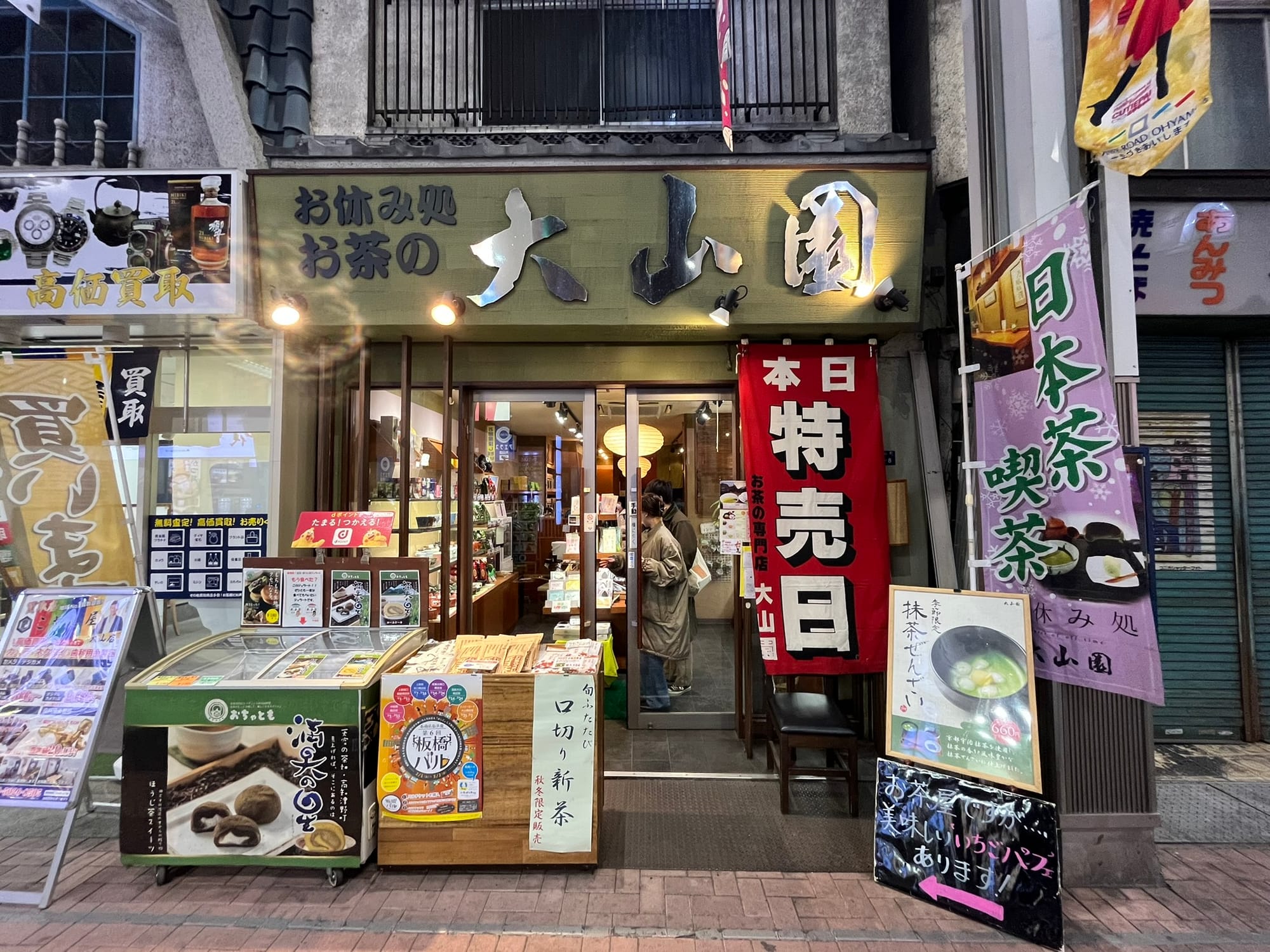
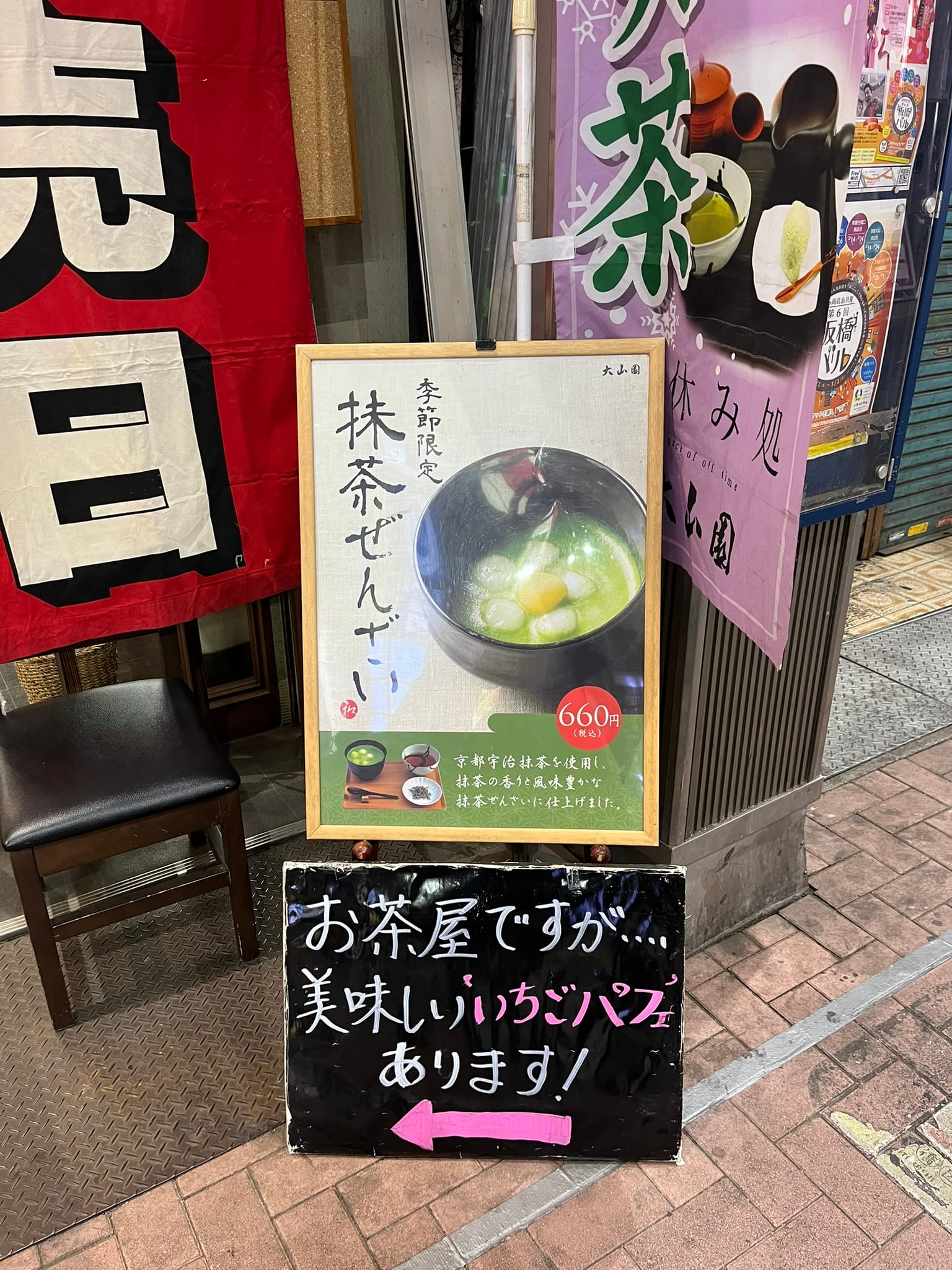
I asked the owner if he sold the same matcha powder in his shop. Voilà! Of course he did. I promised to come back another day to buy it because I wanted to savour the soup again. There were also many other matcha products as well as tea accessories and sets.
A sign outside seemed to indicate that he was the fourth-place winner of some matcha competition in Japan.
The café started to get busy, and we gave our thanks and goodbyes. Devastatingly, while we did make another visit a few days later, on the morning we were to leave, the shop was closed (it was Tuesday!), so I didn't buy my matcha or taste the soup again. This goes to show that if you really want something, don't wait until next time – you might not get the chance again.
Minoru Shokudo Mitsukoshi Ginza
Best for: the presentation.
Ginza is an expensive district, first of all. This is where all the mainstream and high-end designer shops live, and Mitsukoshi Ginza – a huge department store in the centre of it all – is no different.
The prices, however, can often be forgiven for the expert presentation and design. We wandered into Minoru Shokudo on one of the top floors of the building for breakfast and were treated to very well-balanced trays (traditional Japanese sets called teishoku) amidst a skyline view of the city.
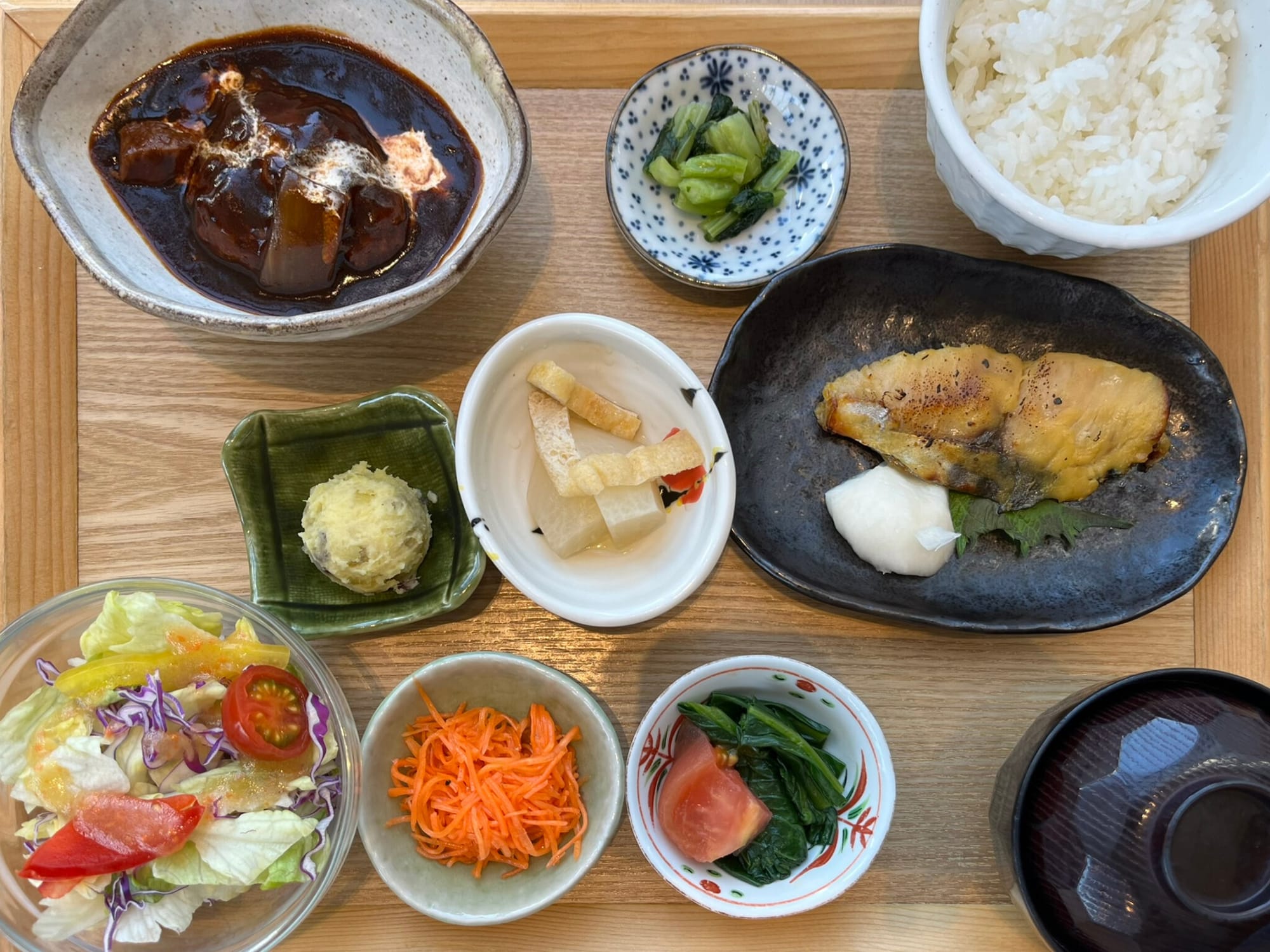
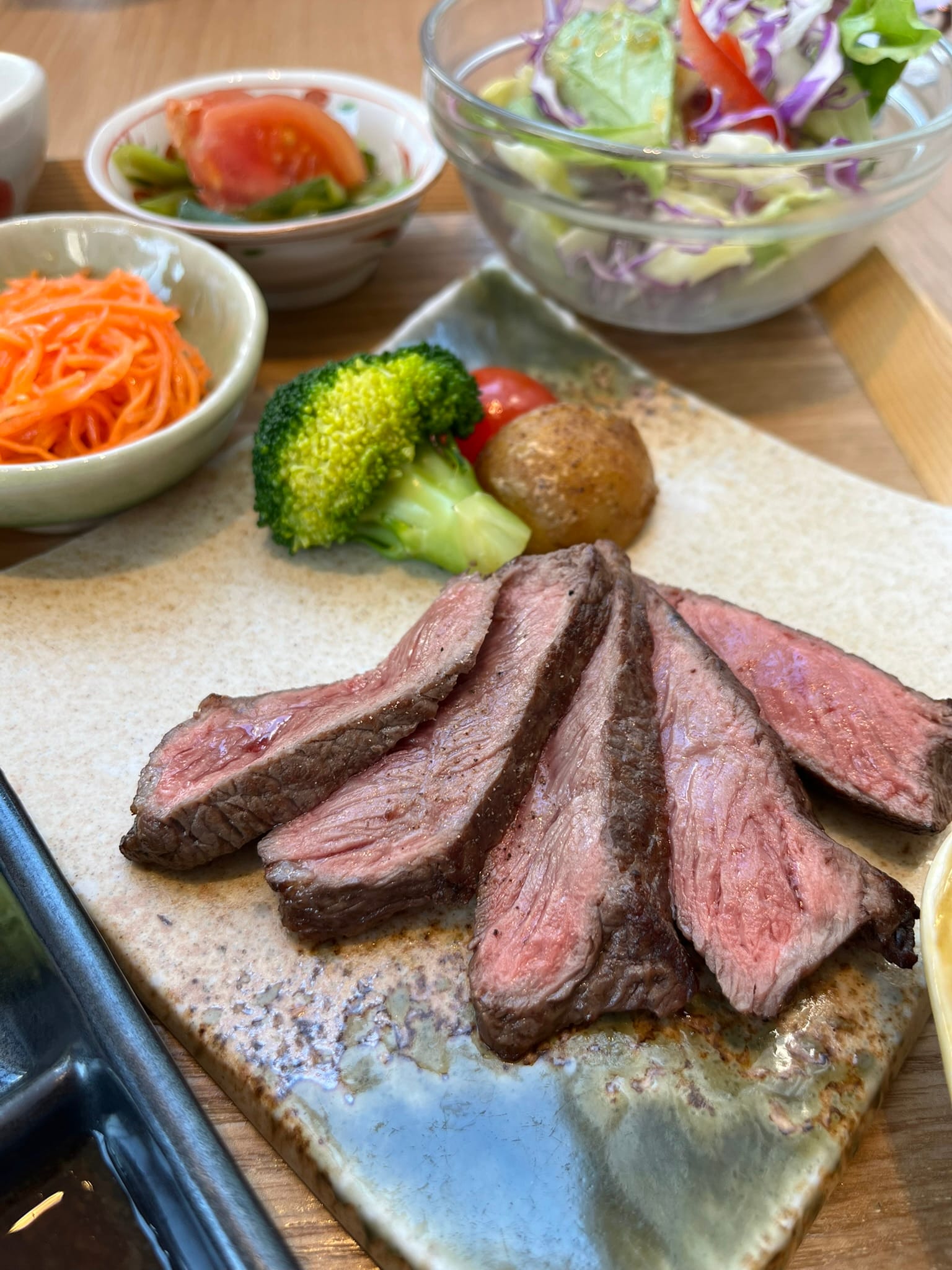
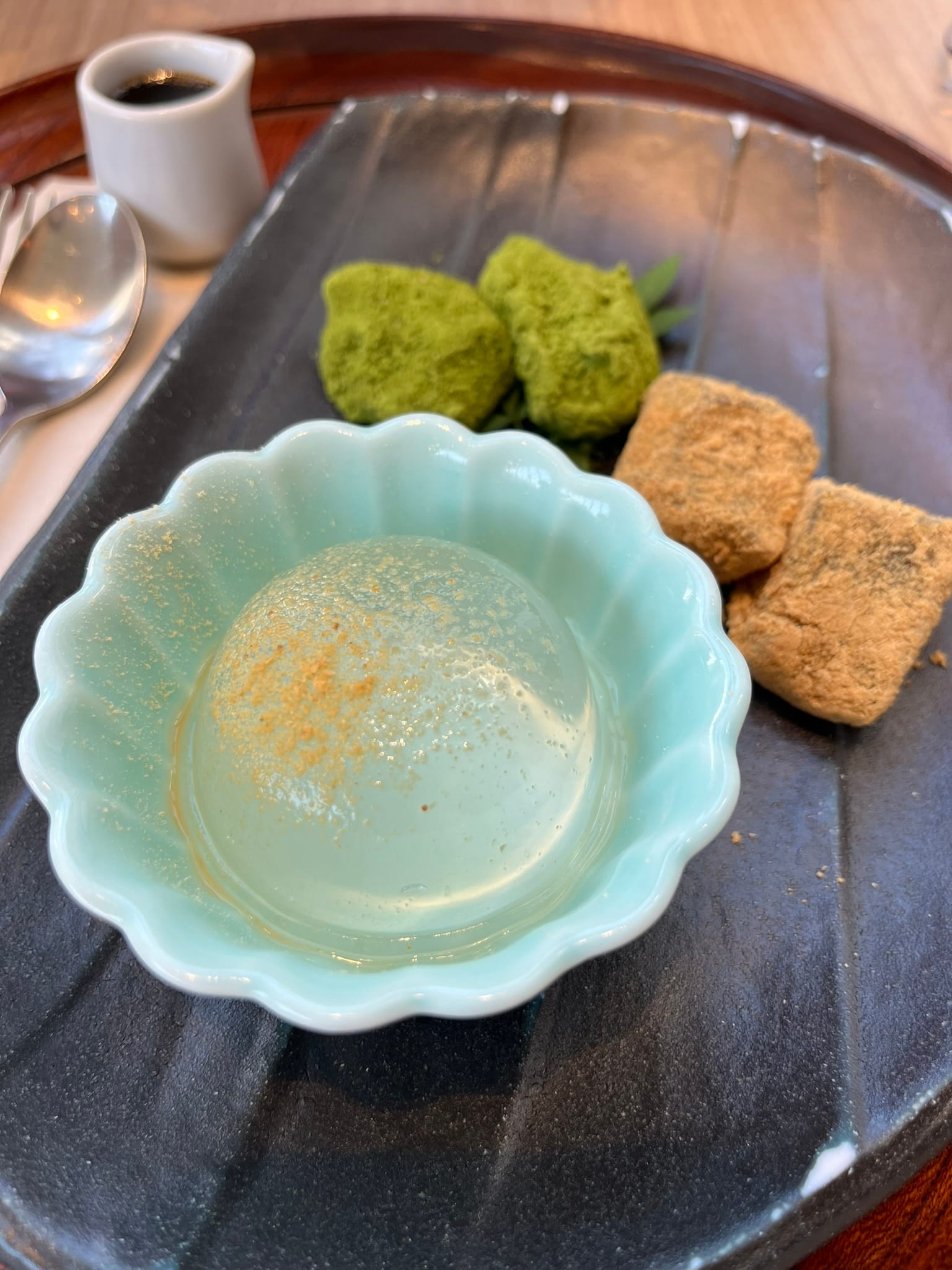
So well-balanced, in fact, that we ordered another tray because one didn't seem enough for two people (we realized later it was enough, but satiety takes time, and we weren't patient).
One was a fish tray and another was a beef tray. Both had small side dishes of seaweed, radish, ginger, sauce, salad, and rice – beautifully laid out on small dishes in classic minimalist fashion.
I also ordered dessert for myself. I'd never seen anything like the water mochi before, which felt like gelatin when I poked it and tasted like a mix between jelly and pudding. I poured a brown sugar sauce on top of it. The other pieces of regular mochi that came with it were all delicious.
Our final bill ended up being around C$72 ($45 or €39) – definitely on the higher end, but we were happy with the experience (just know that there are a lot of children and strollers around).
Mitsukoshi Ginza Depachika
Best for: the souvenirs.
"Depachika" is an amalgamation of "depaato" (department) and "chika" (basement) in Japanese, referring to the basement levels of department stores that act as food halls selling gourmet foods, ready-made meals, and a huge variety of sweets and souvenirs.
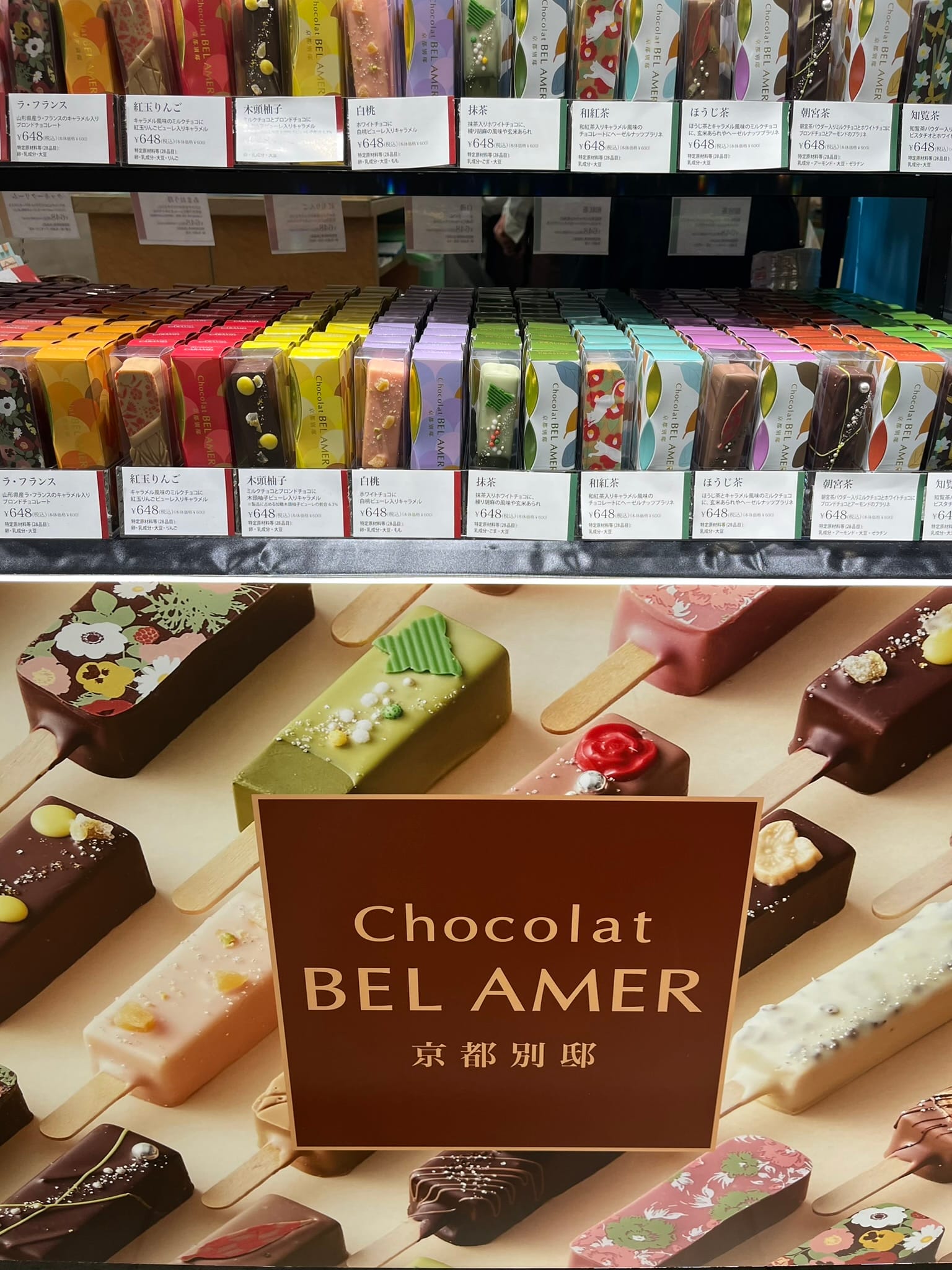
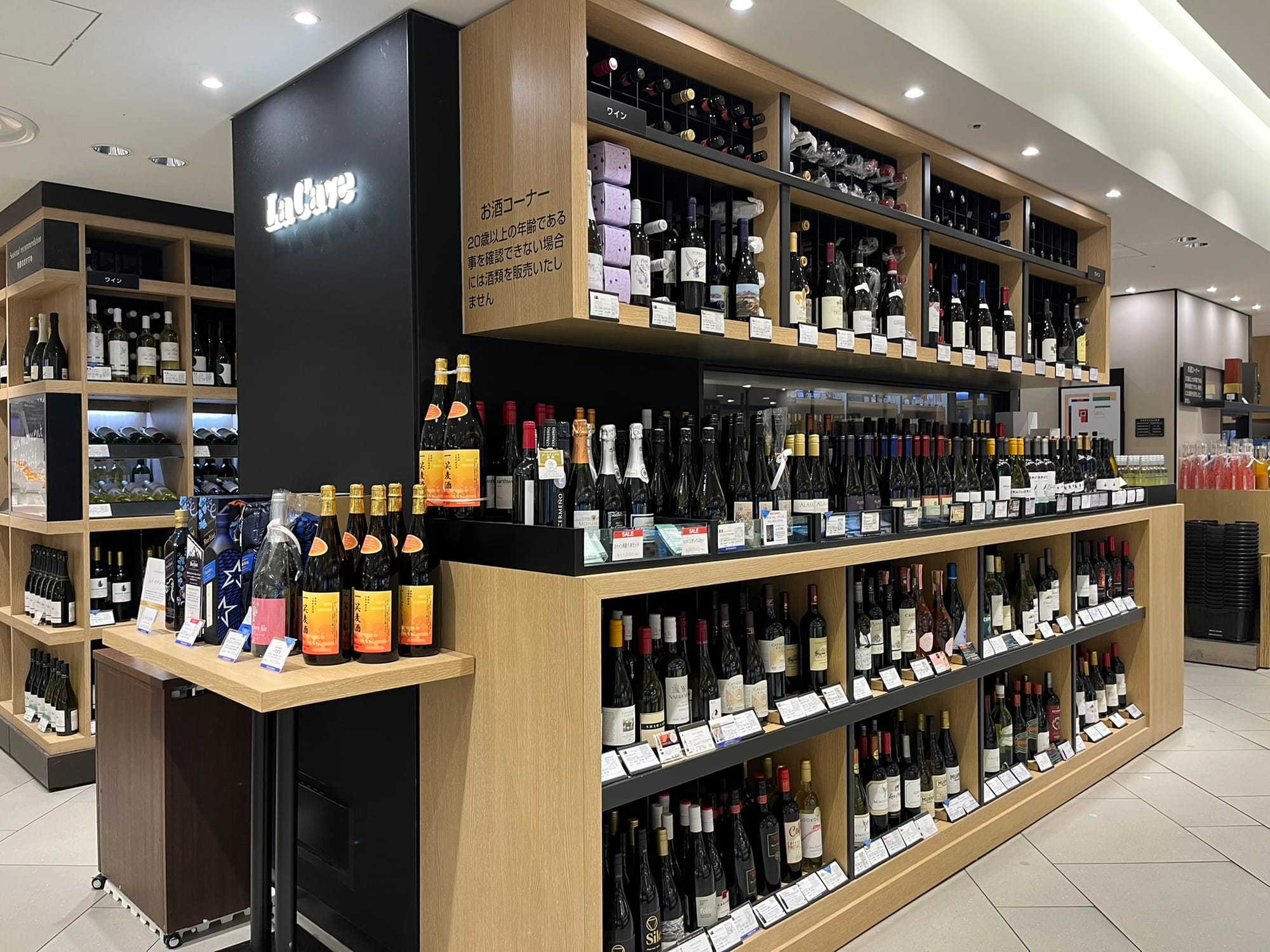
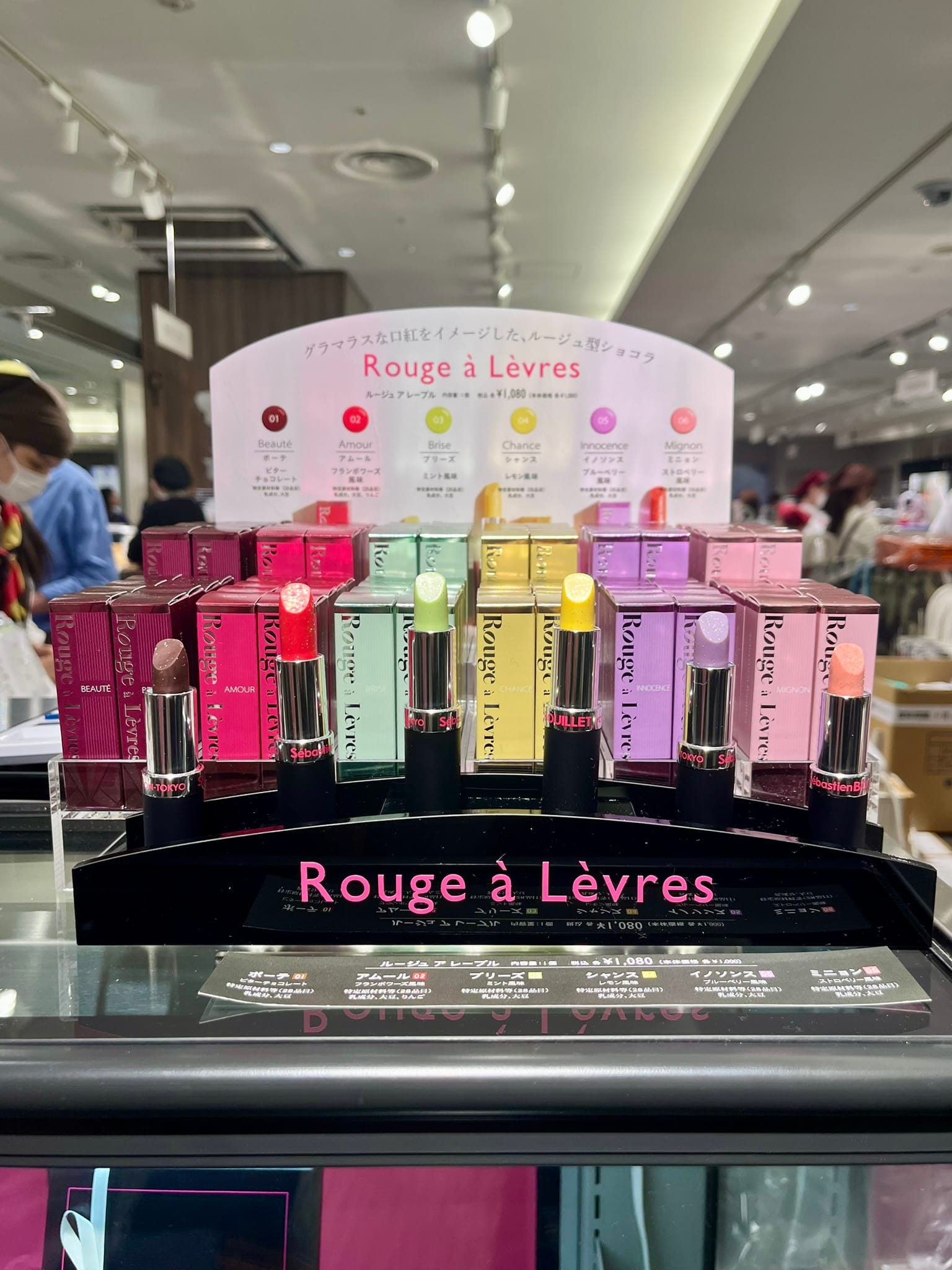
There's so much down there you could take a whole afternoon just exploring the stalls. Everything is so intricately prepared, especially the sweets.
There were traditional Japanese confectionaries (wagashi) as well as Western sweets like themed chocolate boxes. I passed by a confounding stall that sold chocolate packed like lipstick! The store associates had a cute giggle at me when I asked them incredulously if the lipstick was for eating.
Again, because Ginza is expensive, don't expect the prices for these beautiful snacks to be low, but they sure make the perfect choices for special events or souvenirs.
Starbucks Shibuya
Best for: the (cheap) view.
Most people don't go to Starbucks Shibuya for the coffee; instead, hordes of people crowd around the windows for the view of the famous Shibuya Crossing, where hundreds of thousands to millions of people pass by each day among the neon lights of the Tokyo nightscape.
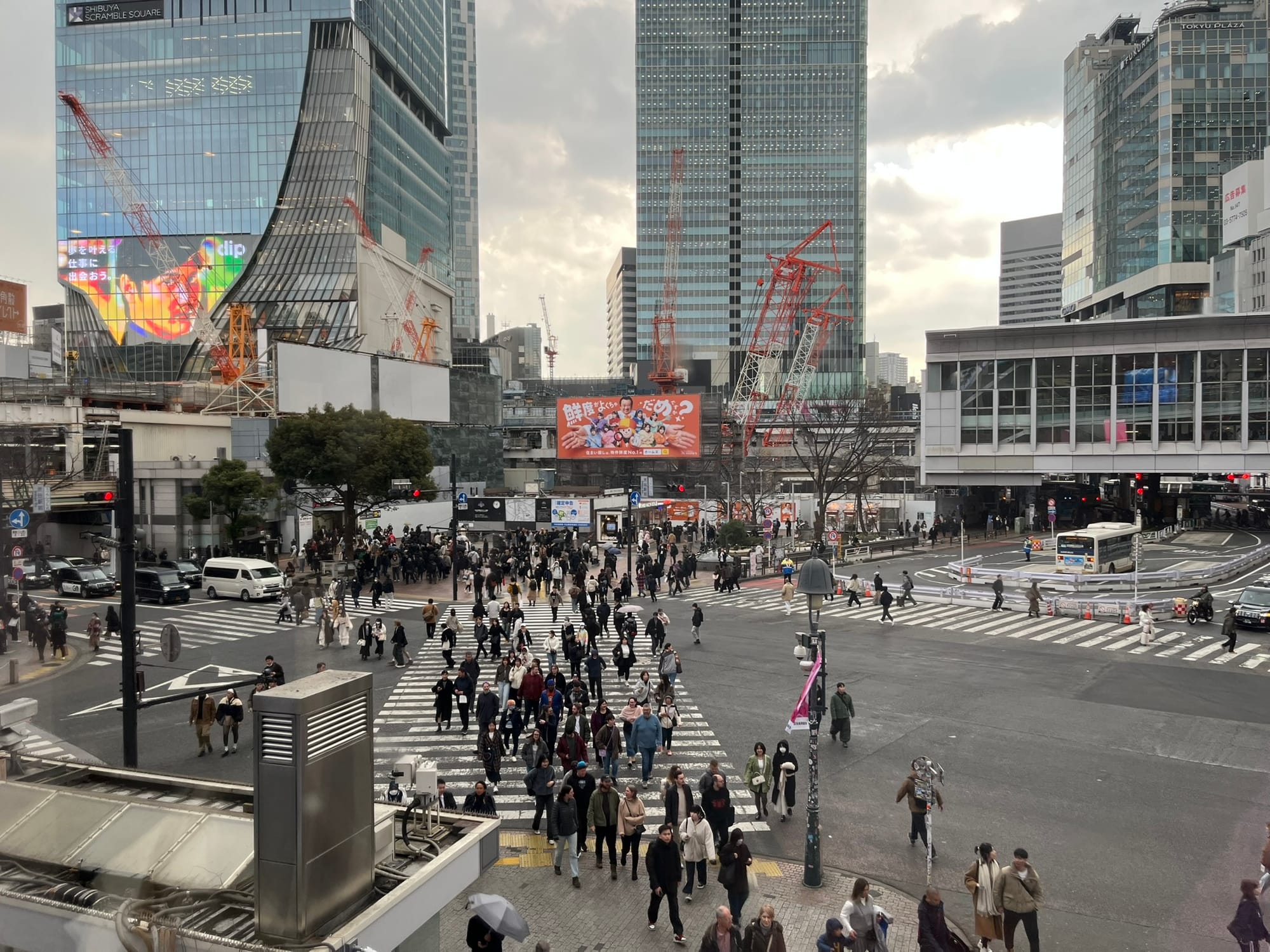
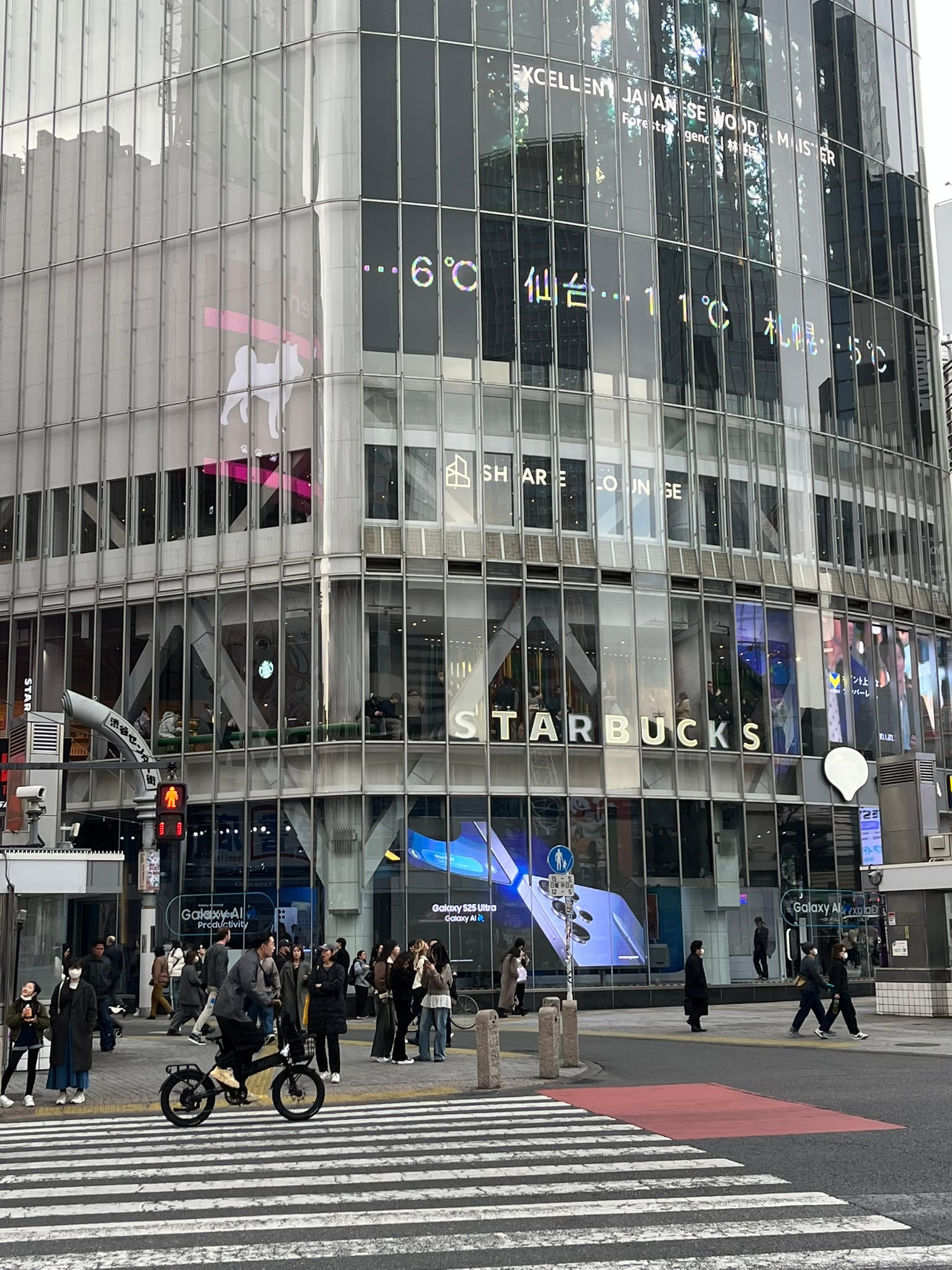
It's the world's most famous intersection for photoshoots and vibes. I watched as a couple in wedding attire raced out onto the street once the pedestrian light turned green and tried to capture a few shots with everyone swarming around them.
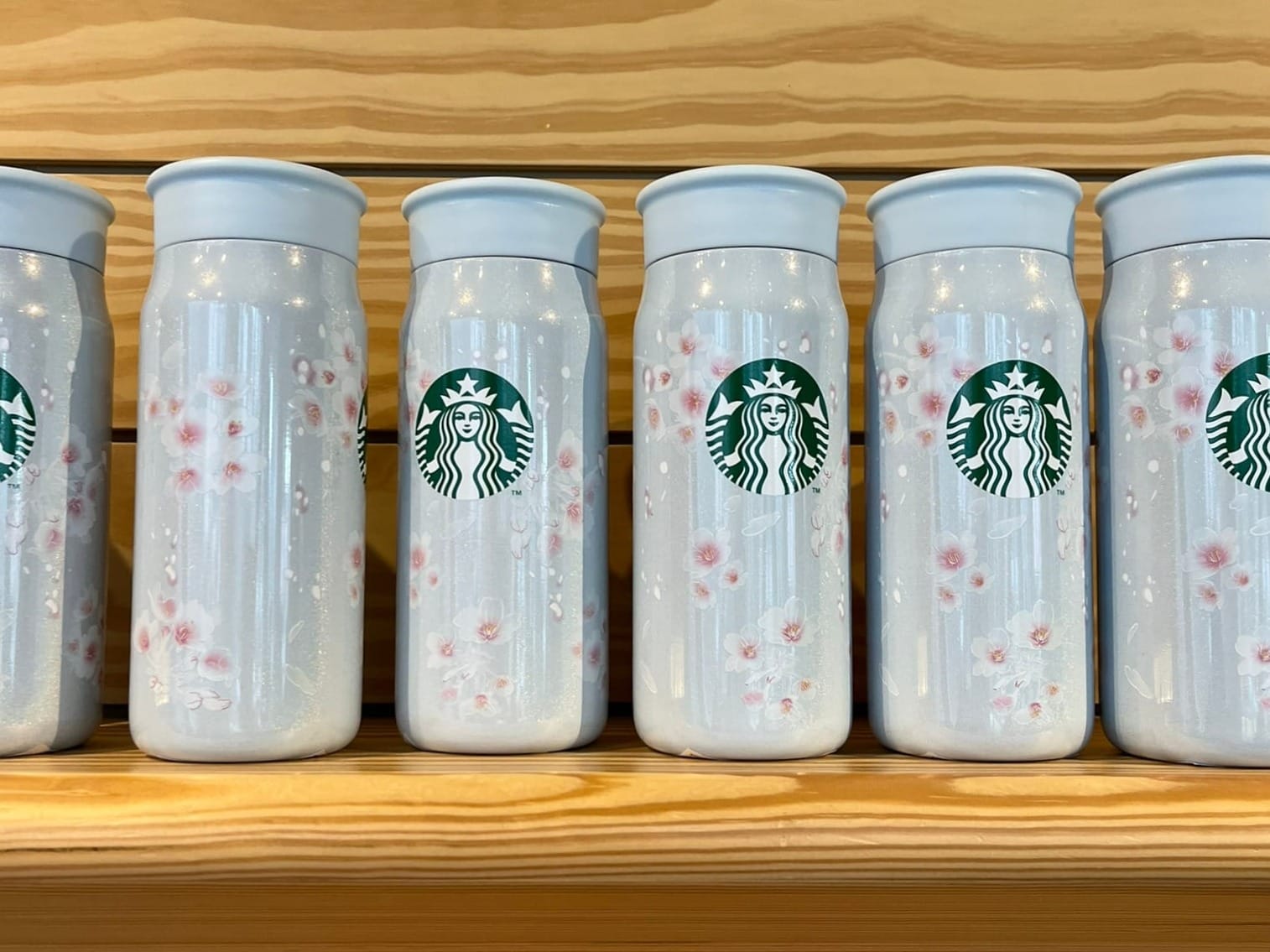
That being said, I don't have any opinion of the Starbucks drinks here, but it is a central location to pick up some Japan-exclusive Starbucks tumblers. Their annual sakura collection is gorgeous.
The store has a sign encouraging visitors to make a purchase if you want to loiter around the windows. The area is packed to the brim. Don't come here if you want to sit and relax; just come for the view.
Note: There are also many high-rise restaurants around the area that can definitely offer you an even better view of the Crossing, but those are much more expensive.
Saizeriya
Best for: family-friendly affordable Italian.
Saizeriya is a Japanese chain of fusion Italian-Japanese cuisine with markets around East Asia. I LOVE Saizeriya.
The first time I ever tried them was in China, and I was hooked. I begged my parents to bring me to Saizeriya as often as I could. Their original, classic Italian pasta is one of the cheapest items on the menu and the most delicious.
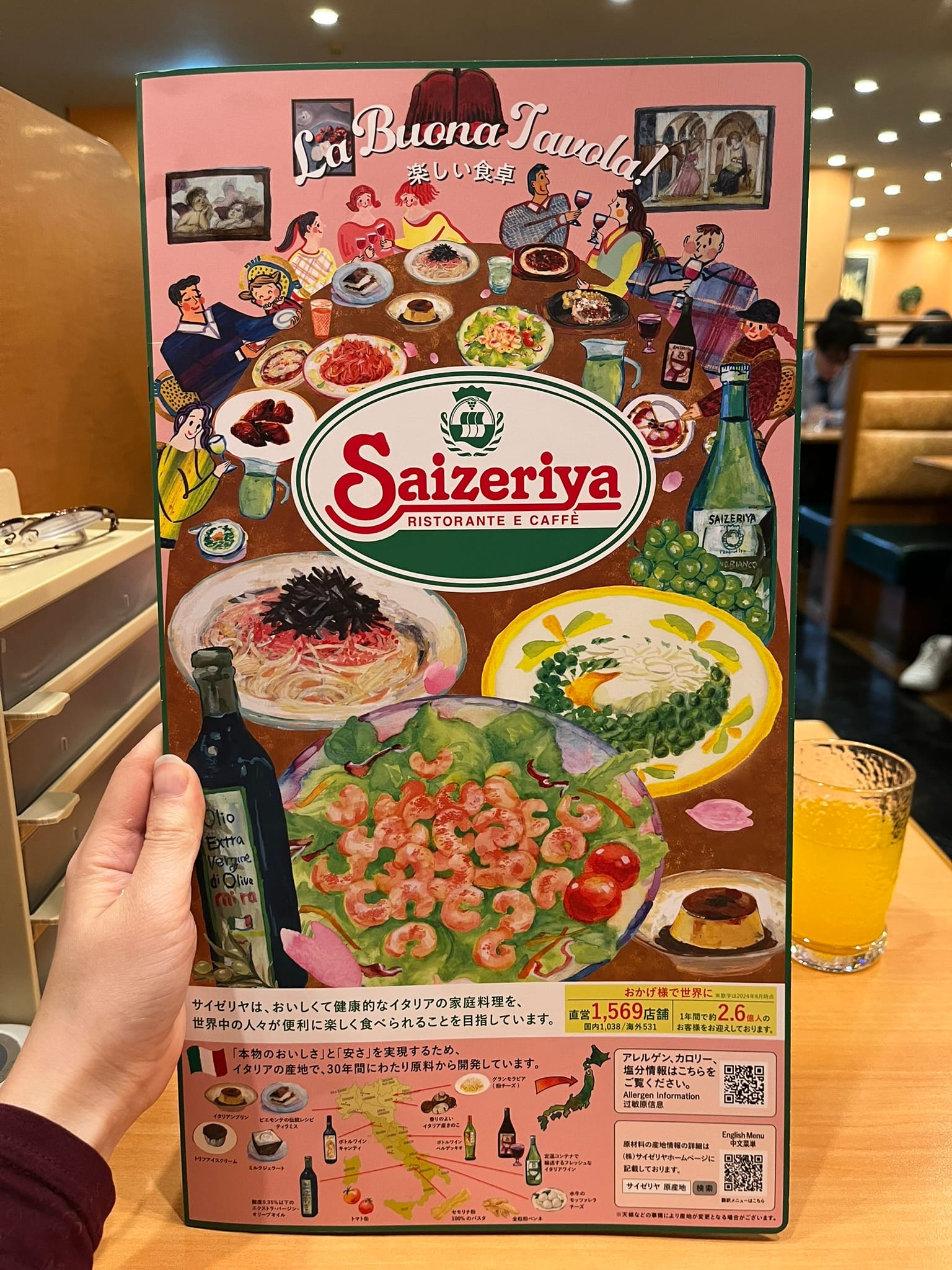
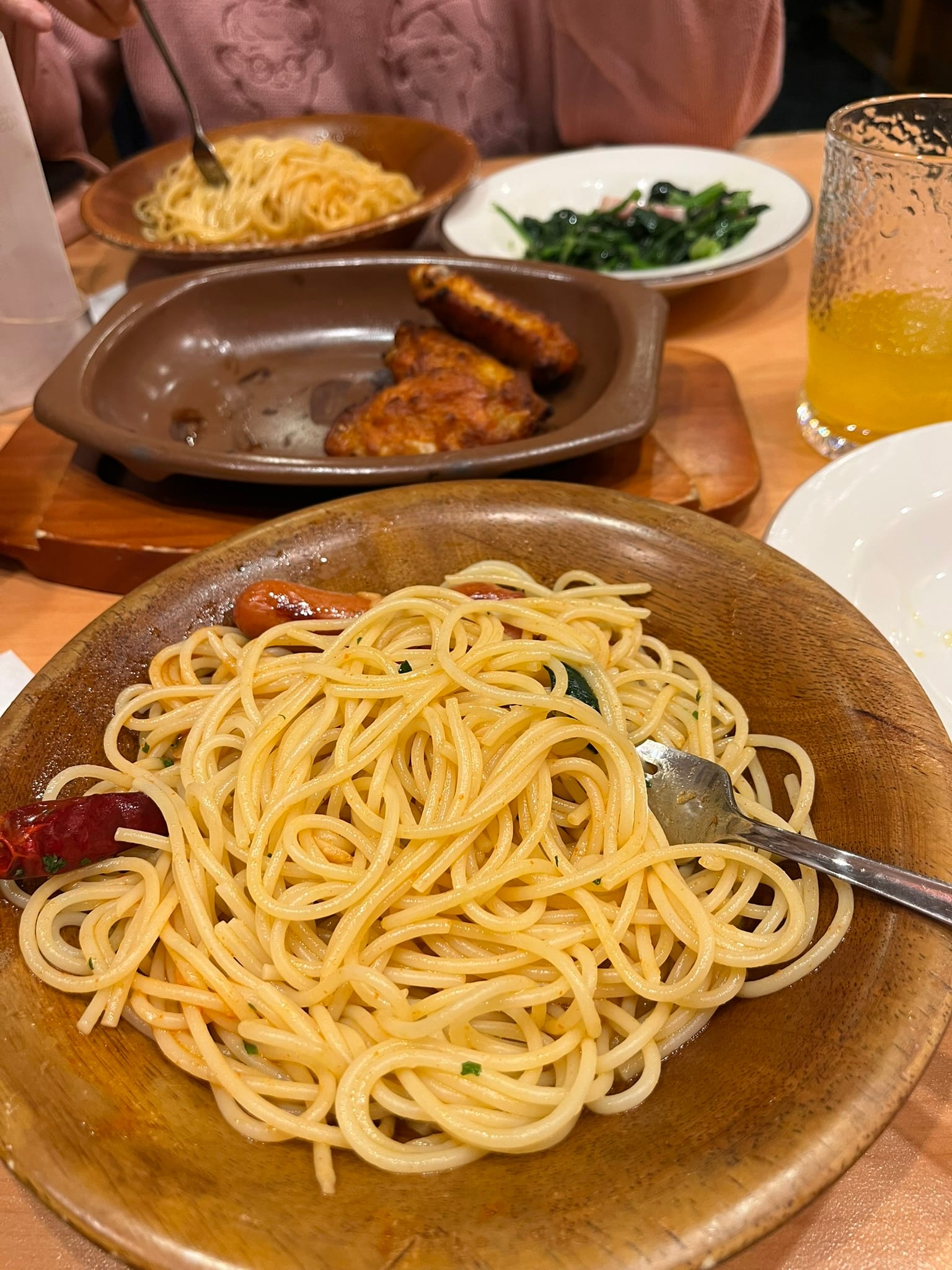
I also recommend the classic chicken wings, spicy sausages, and fresh fruit salad. Soft drinks cost a one-time payment for unlimited refills (self-serve).
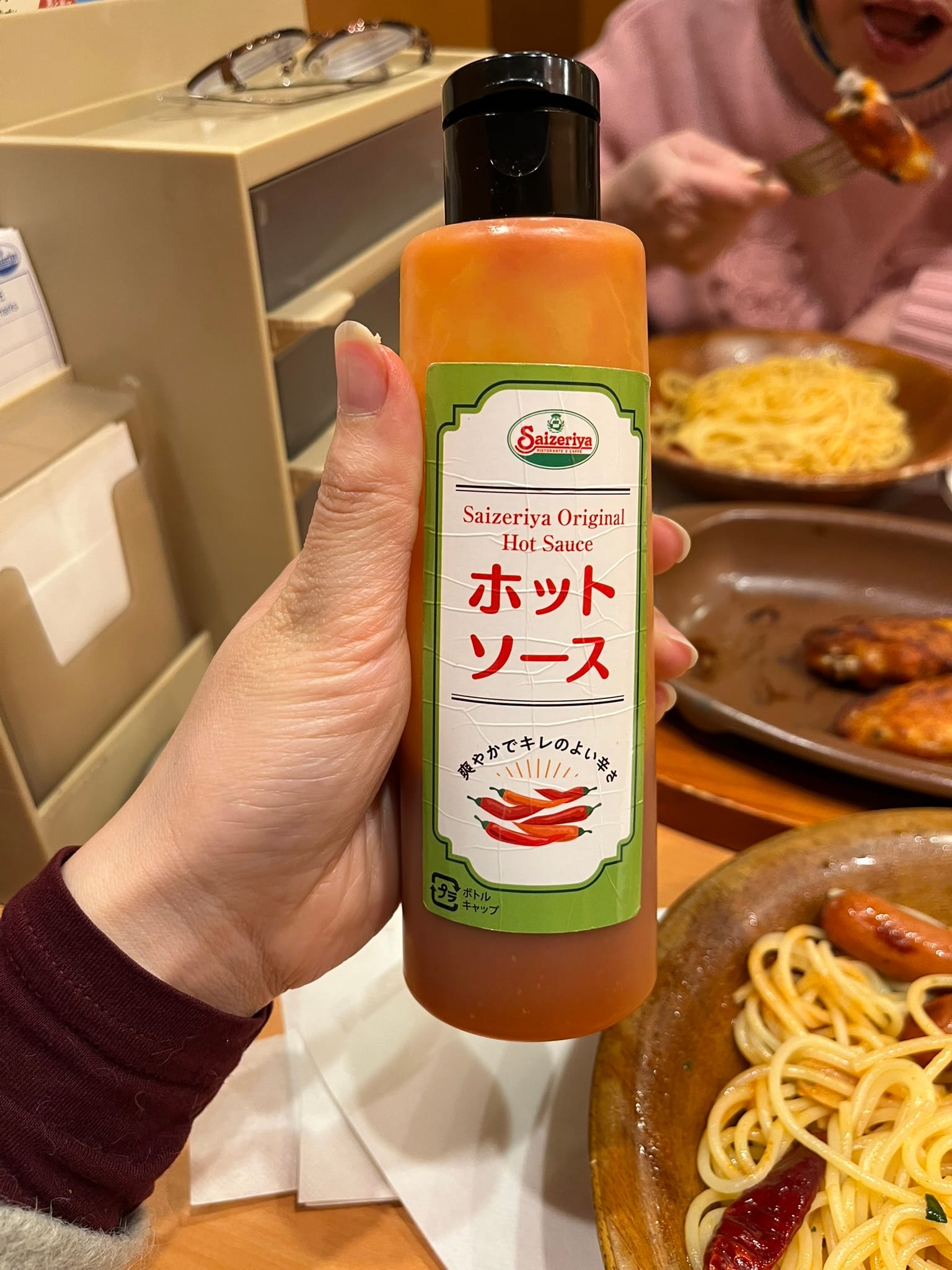
After eating at Saizeriya in both Japan and China, I've noticed that different markets have slightly different ways of preparing the food to cater to the taste buds of their demographics. The China locations, for example, offer Tabasco sauce for their pasta (my Italian friends are horrified right now), while the Japan locations use their in-house "original hot sauce." The chicken wings also tasted different in Tokyo.
I prefer the China locations, but the Tokyo location wasn't bad at all. Our meal was incredibly affordable, and the restaurant was comfortably packed but not overly loud. They keep their costs low in part by renting less-desirable spaces like basements or hidden second floors, but I feel that's part of the charm of finding good food in the city.
Convenience Stores & Bakeries (7-Eleven, FamilyMart, Maruju, etc.)
Best for: convenience and on-the-go.
Japan's convenience stores are legendary. They have everything you could ever need for meals on-the-go or a pick-me-up snack. Consider this: mochi donuts are considered a specialty dessert in North America. In Tokyo, you can find them at any random 7-Eleven. (They might not be as well made as in specialty stores, but they're there.)
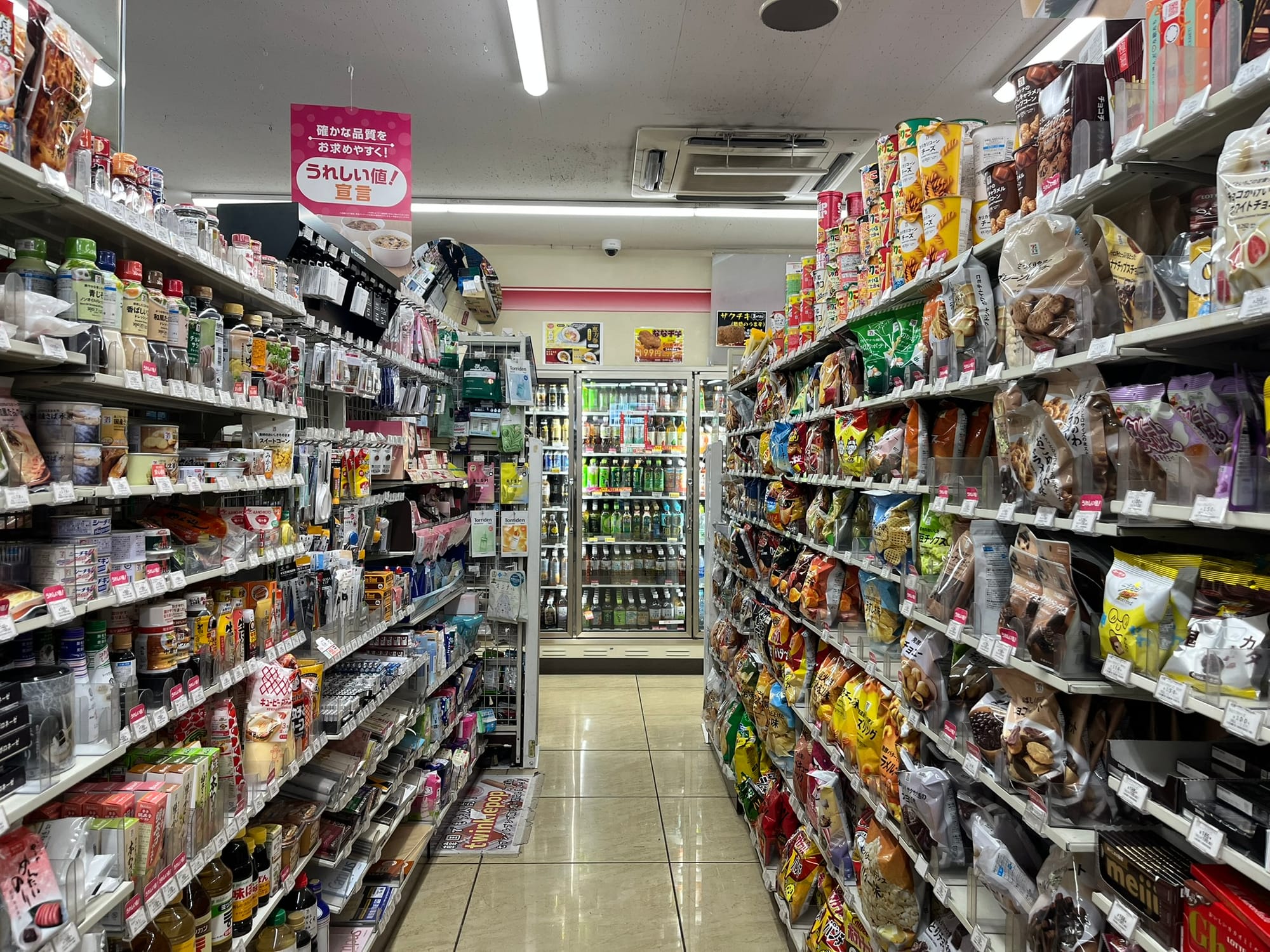
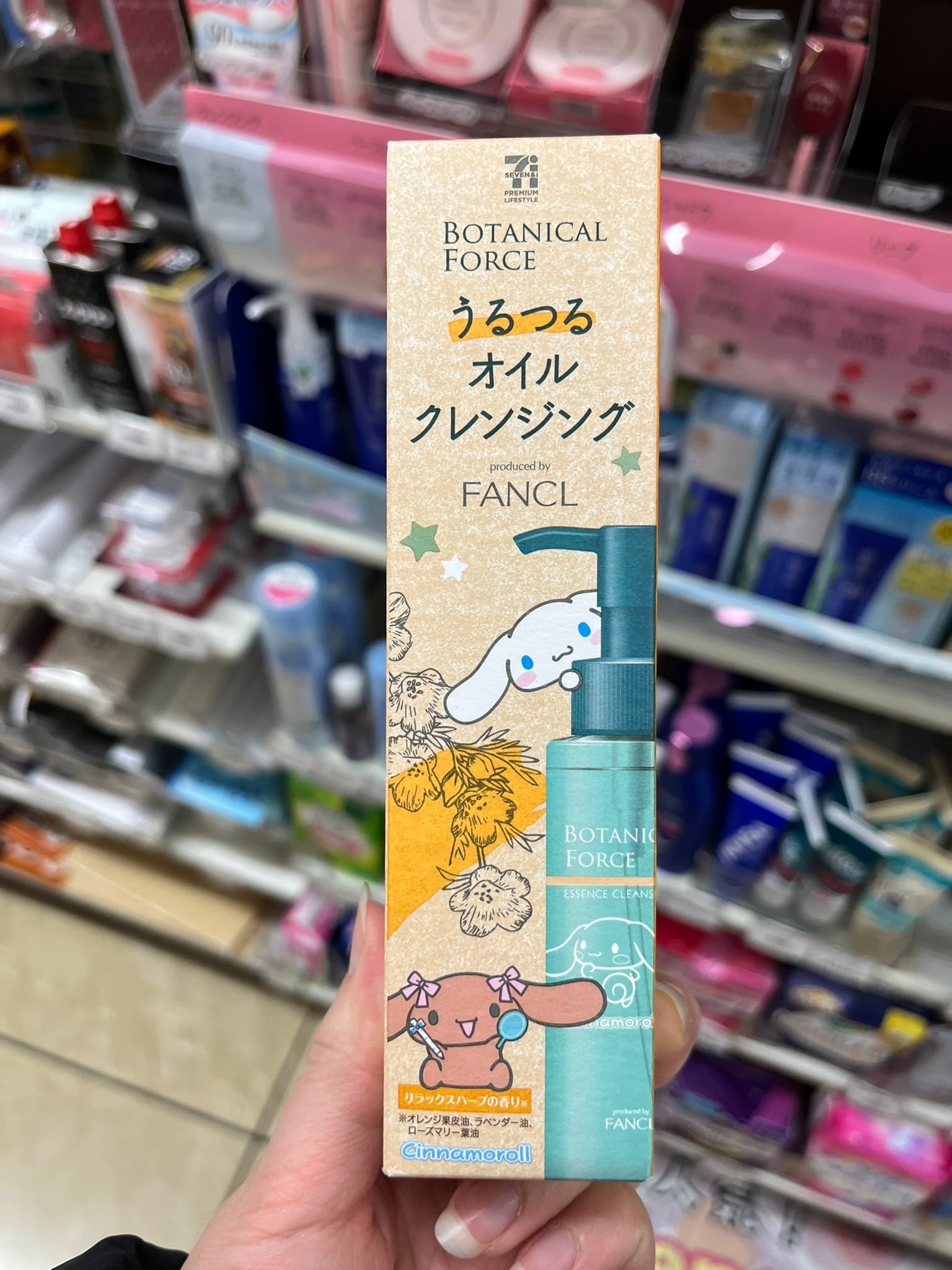
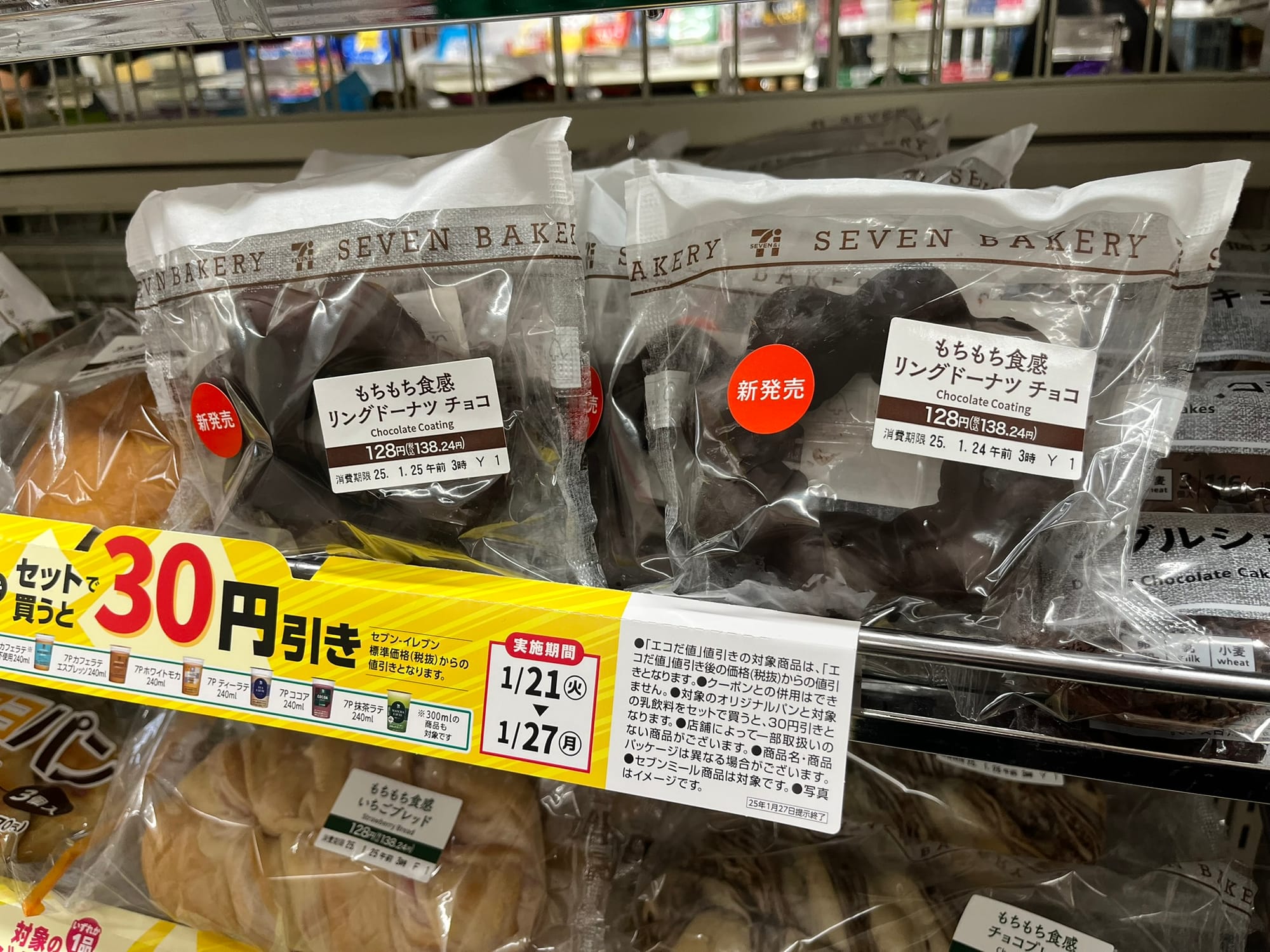
7-Eleven and FamilyMart are Japan's two largest convenience store franchises, offering hot food and packaged meals that you can ask the store associate to warm up for you. Some even have warmed versions of drinks that usually would be chilled in the freezer section (eg. milk tea).
Apparently, these convenience stores also offer some questionable items like Oreo-stuffed sandwiches. It's anyone's guess what you'll find in there.
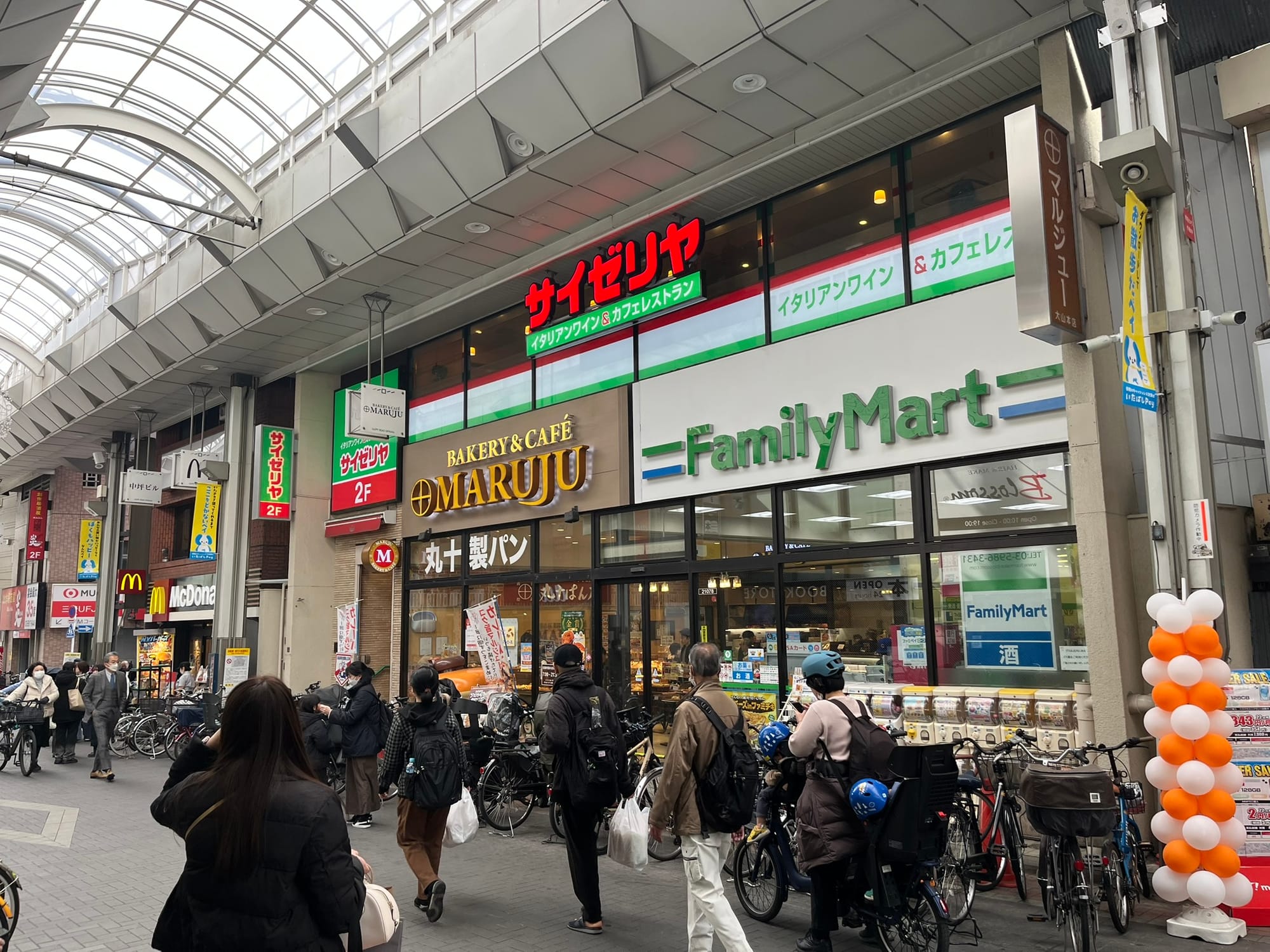
Maruju is also a chain of bakery-café stores that offer coffee to light sandwiches and breakfast sets. They're good for when you need a quick place to eat without the restaurant hassle.
Shotengai and Subway Stations
Best for: sweets, daily living, and novelties.
Shotengai refers to Japan's traditional shopping streets such as Happy Road Oyama Shopping Street. These are localized hubs for discounted retail, restaurants, bars, and independent bakeries. Basically, they offer everything the average person could need to live.
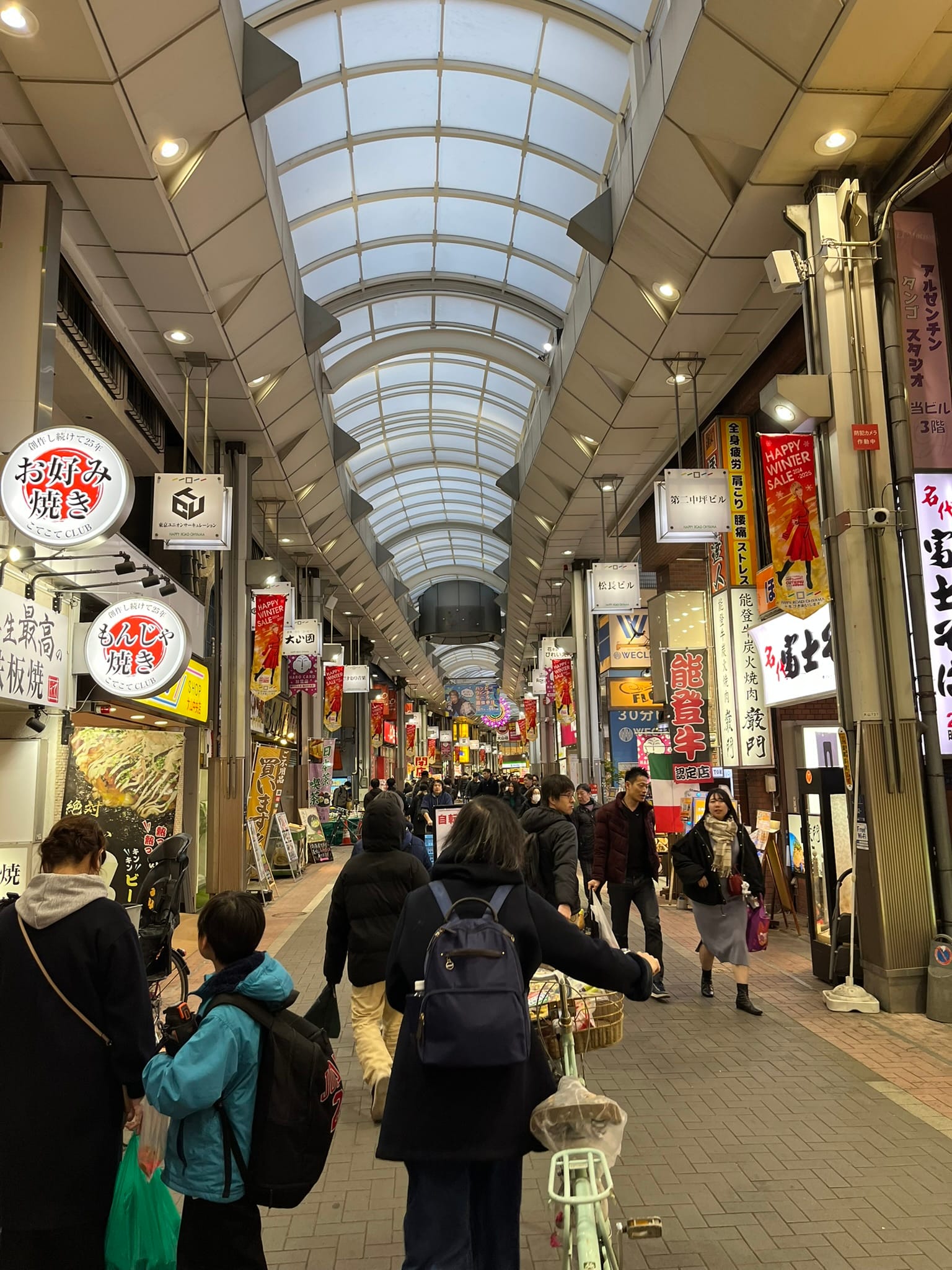
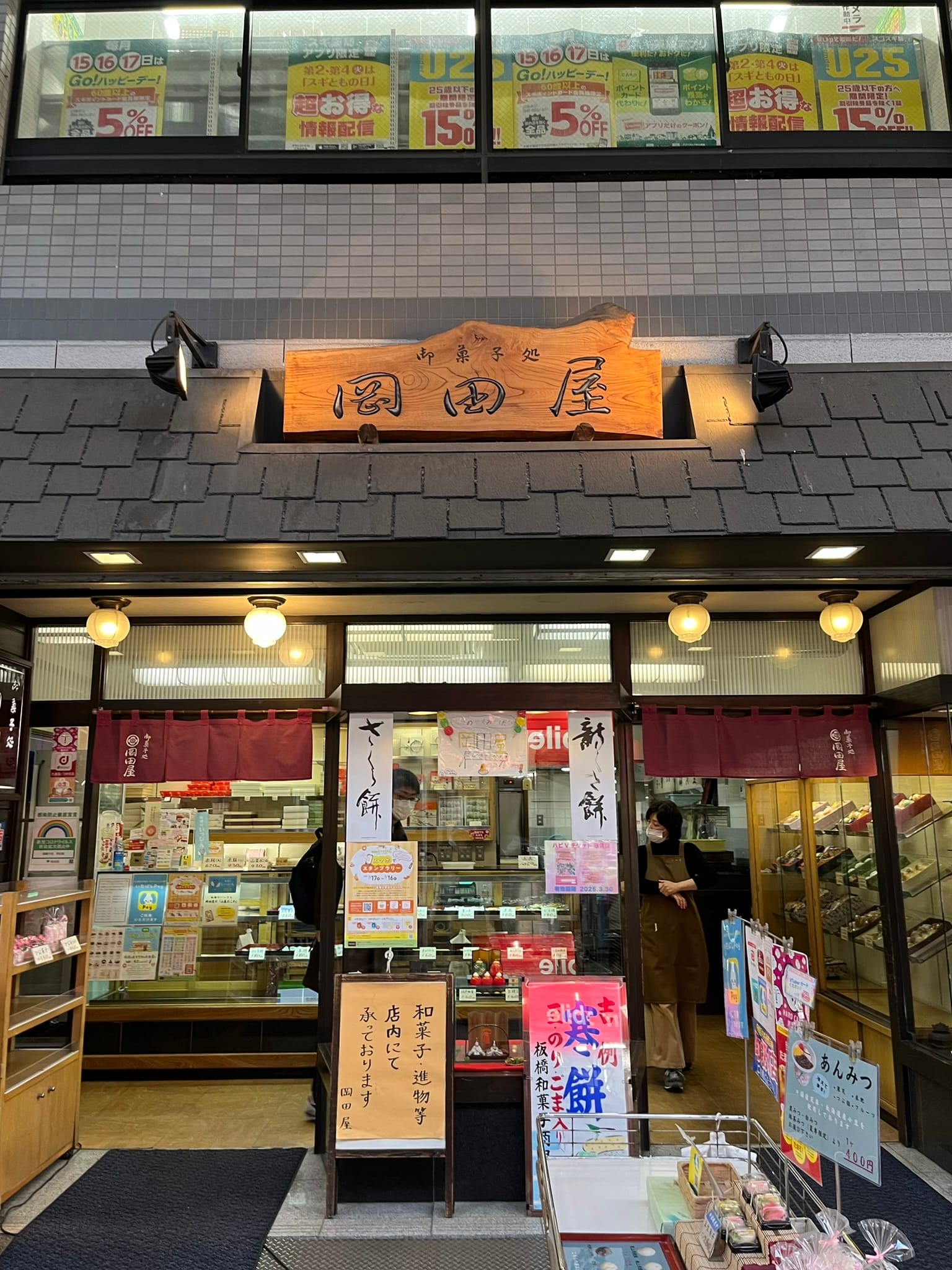
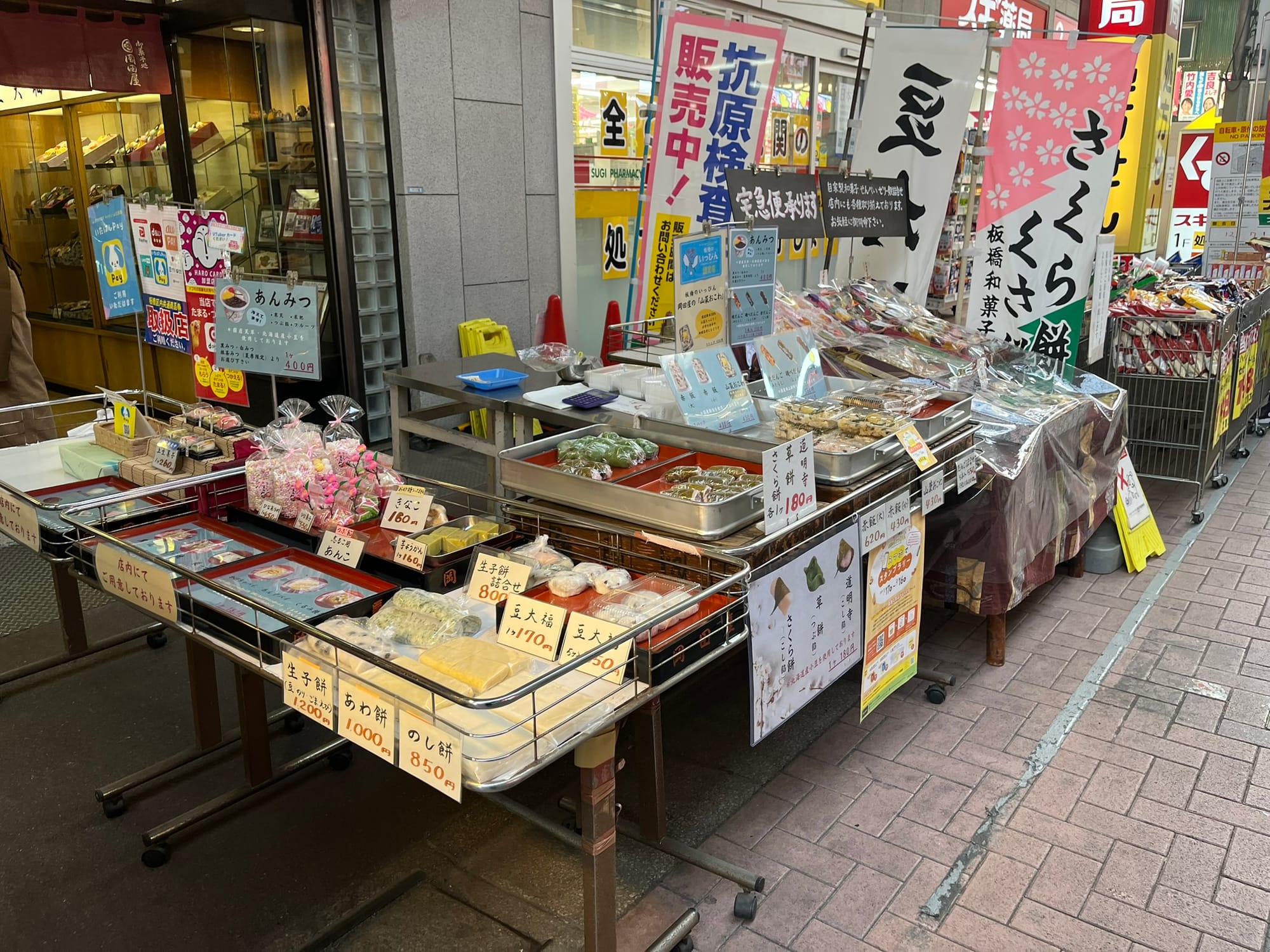
I found sumptious mochi and amazing clothing discounts when I stayed near Happy Road.
Subway stations, as well, offer a multitude of small-scale artisan bakeries and light meals. The bigger stations will have entire shopping malls underground, from Uniqlo kiosks to lifestyle products. It's a challenge just to make it through the tunnels without checking everything out.
Haneda & Narita Airports
Best for: last-minute gifting.
If your suitcase still has room, remember to check out Haneda and Narita Airports for Japan-coded and duty-free snacks and boxes. Yes, there is an element of mass-manufacturing to these products, but one can't deny they're expertly made and look oh-so-cute.
You can pick up biscuits and desserts like Japanese-style sablé with mochi filling or matcha-coated strawberries.
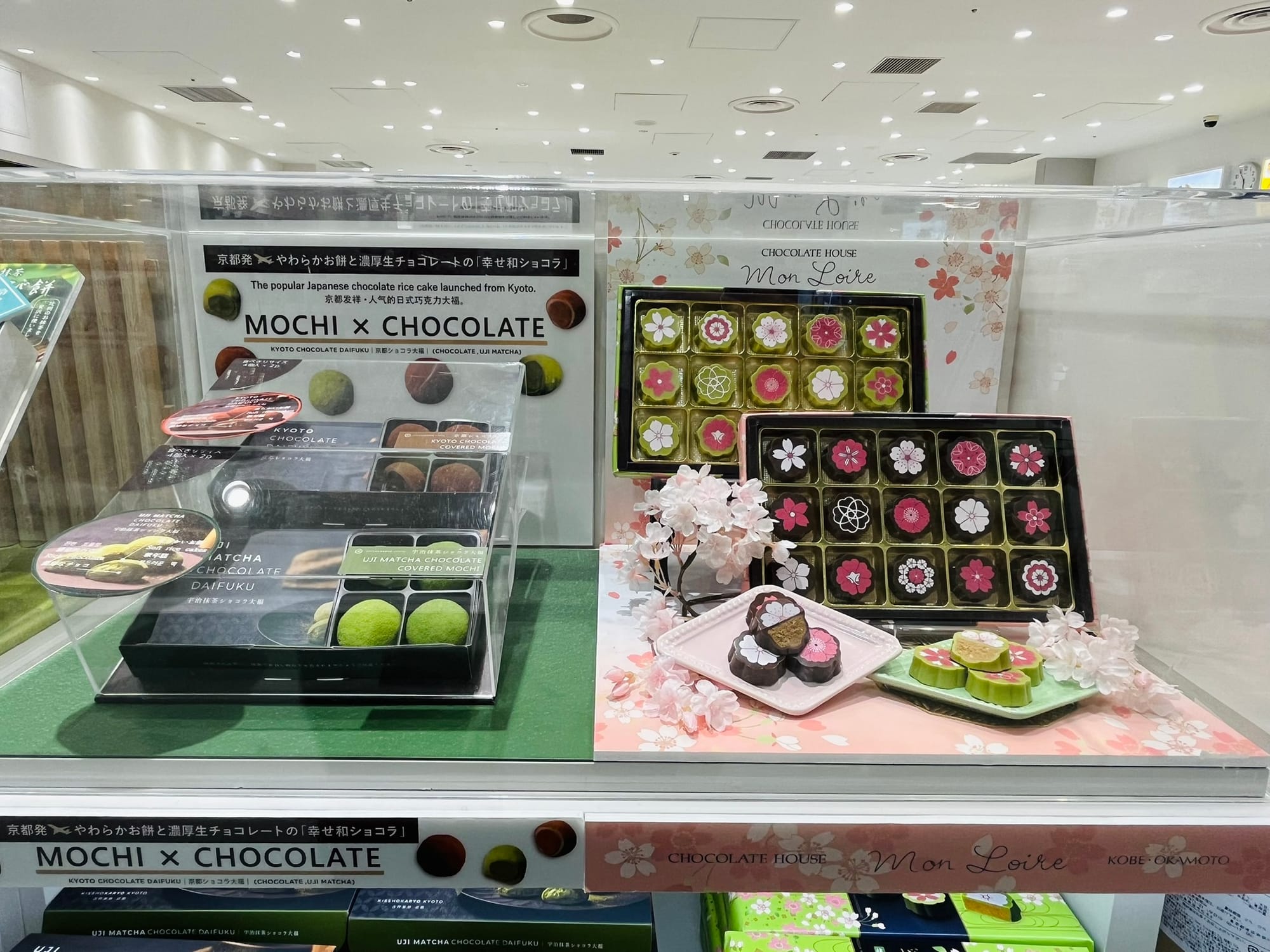
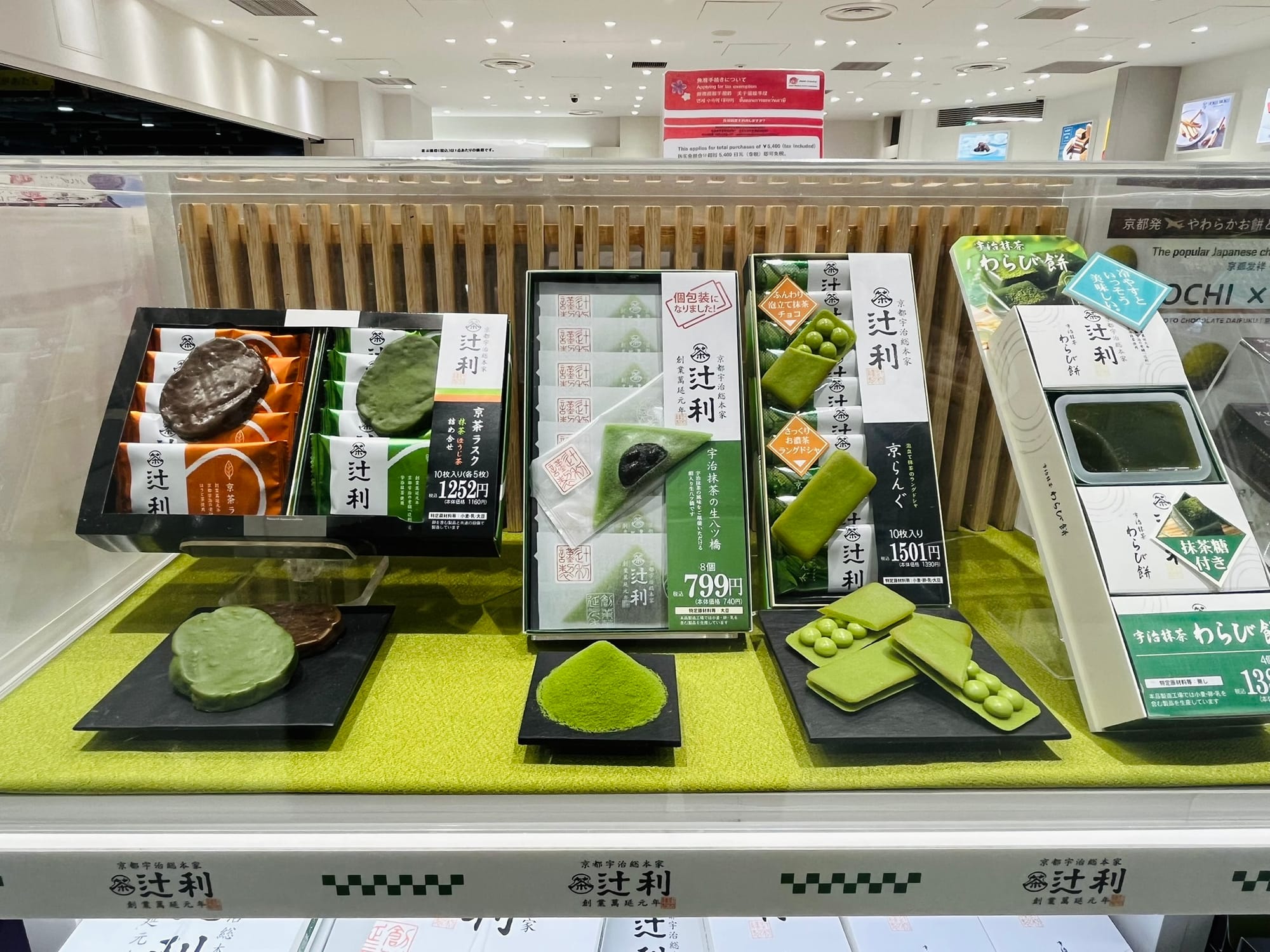
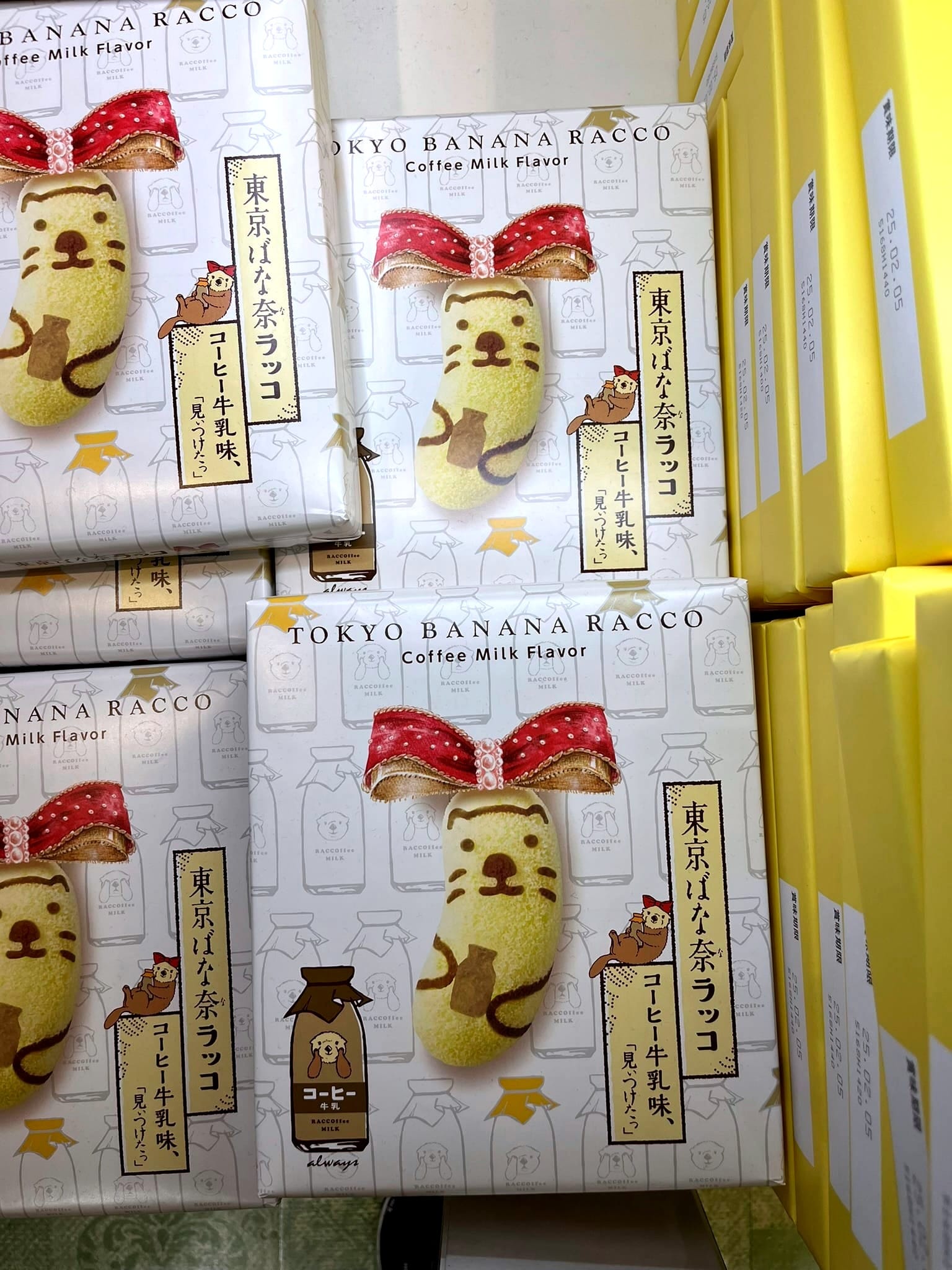
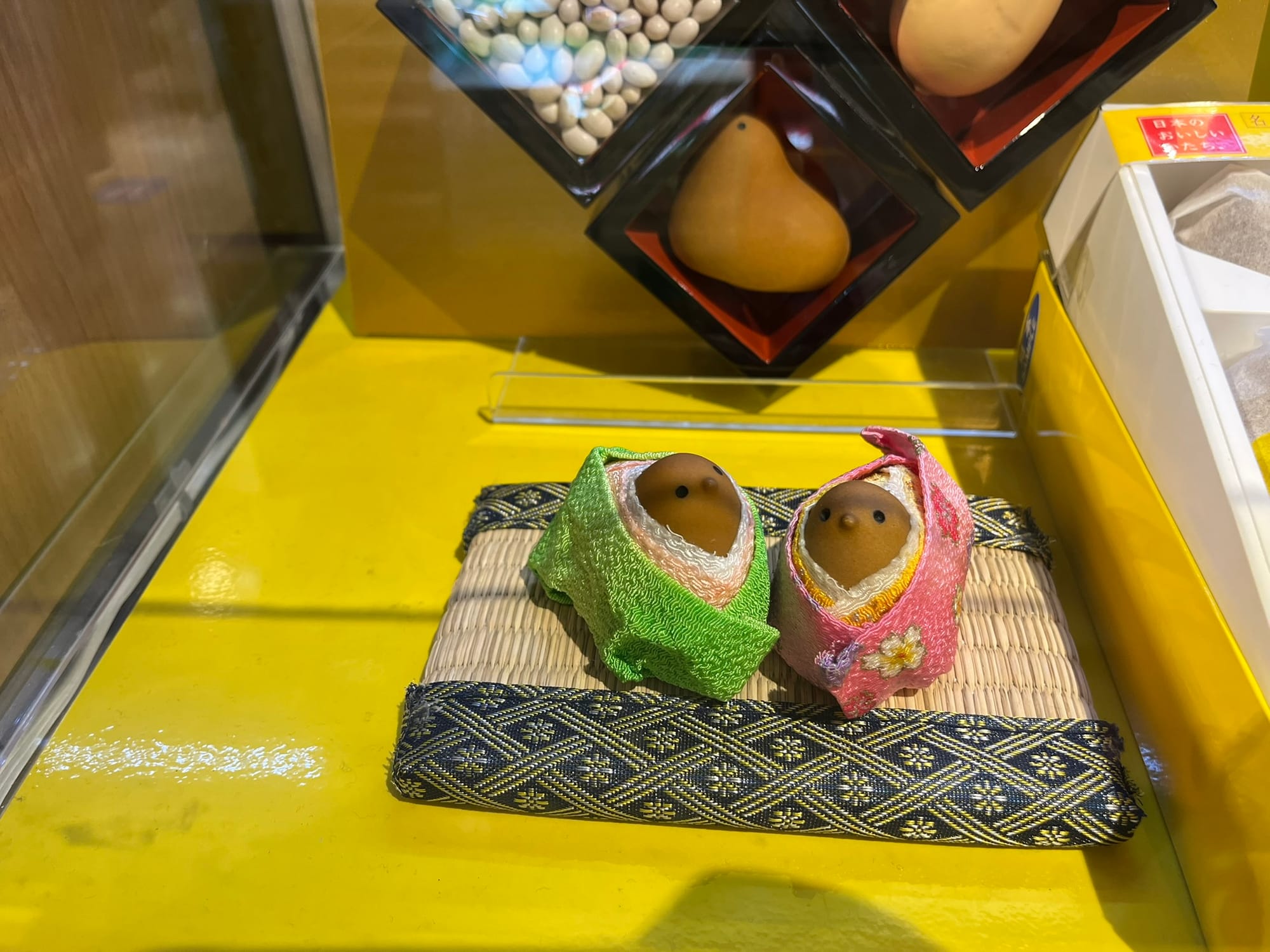
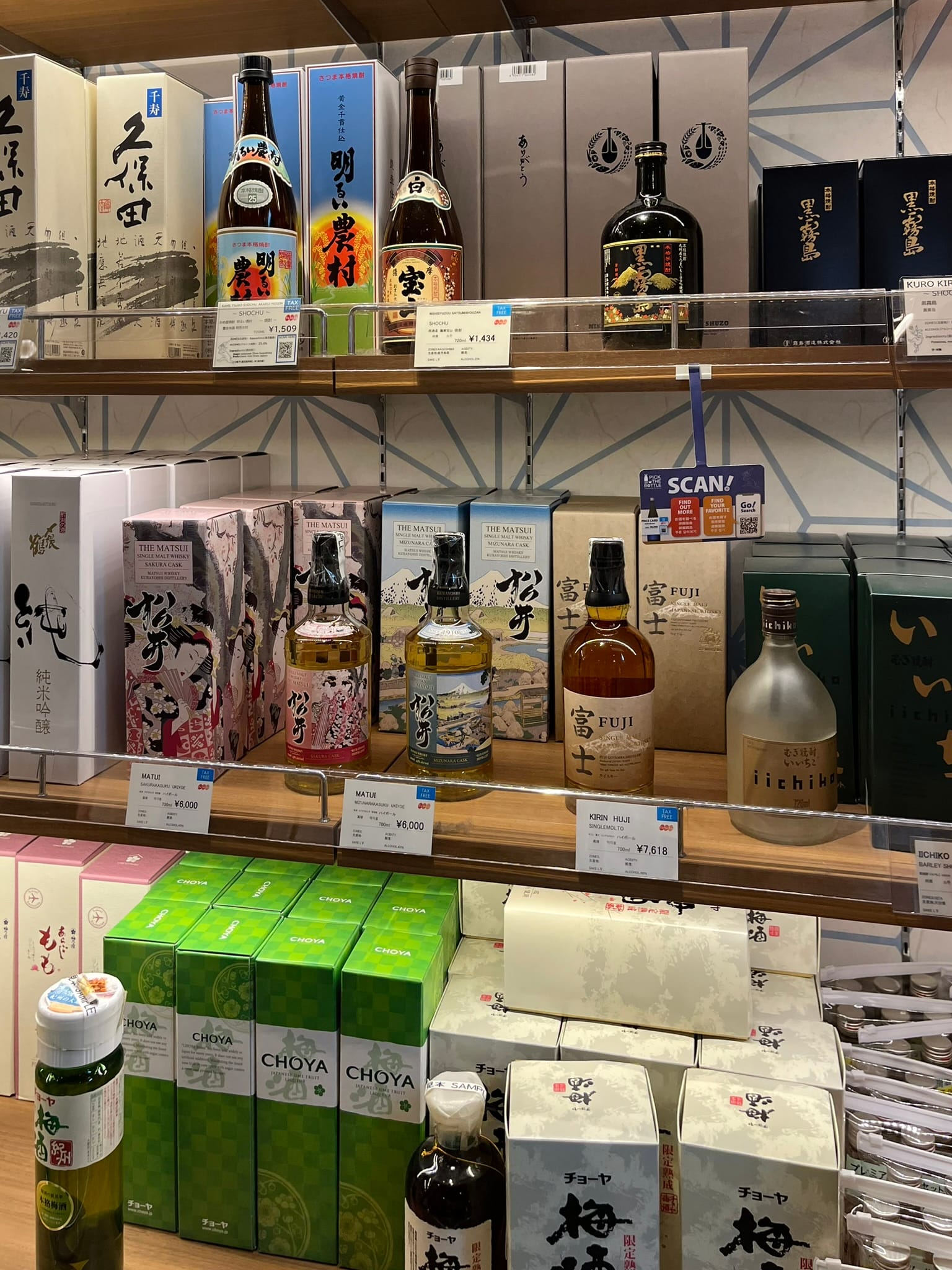
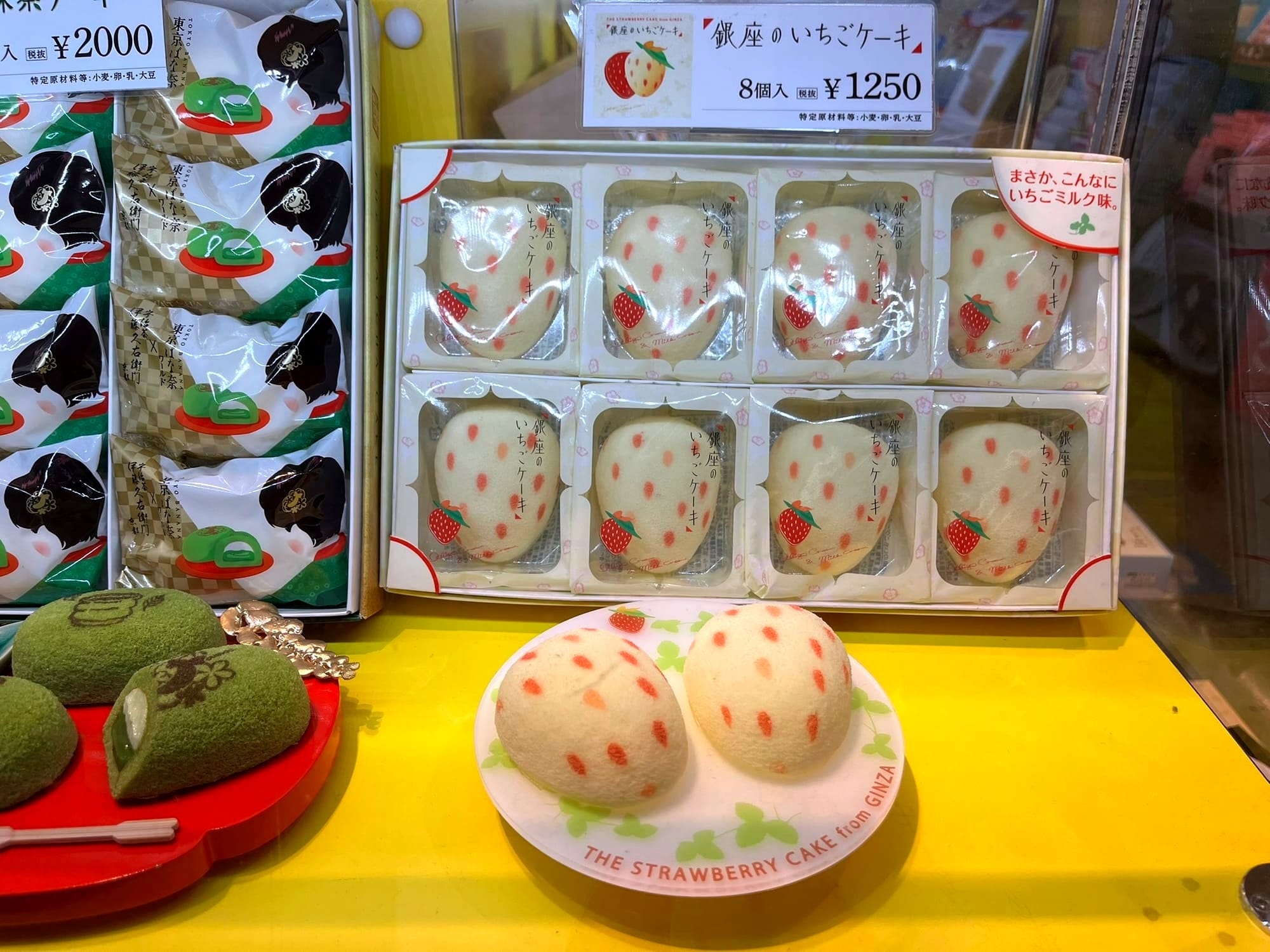
Shopping at the Tokyo airports is always a win for finding delicacies in one central spot, in case you don't have time to check out the city and are just transiting through.
This list doesn't even begin to touch upon dango (another favourite treat of mine), ramen, and all the other wonderful pillars of Japanese cuisine. Five days is barely enough time to scratch the surface, but I hope this list inspires you to reach for those local Japanese hideaways in the search for culinary perfection.
Totemo oishii!
For more adventures in Tokyo:
 Angela Xu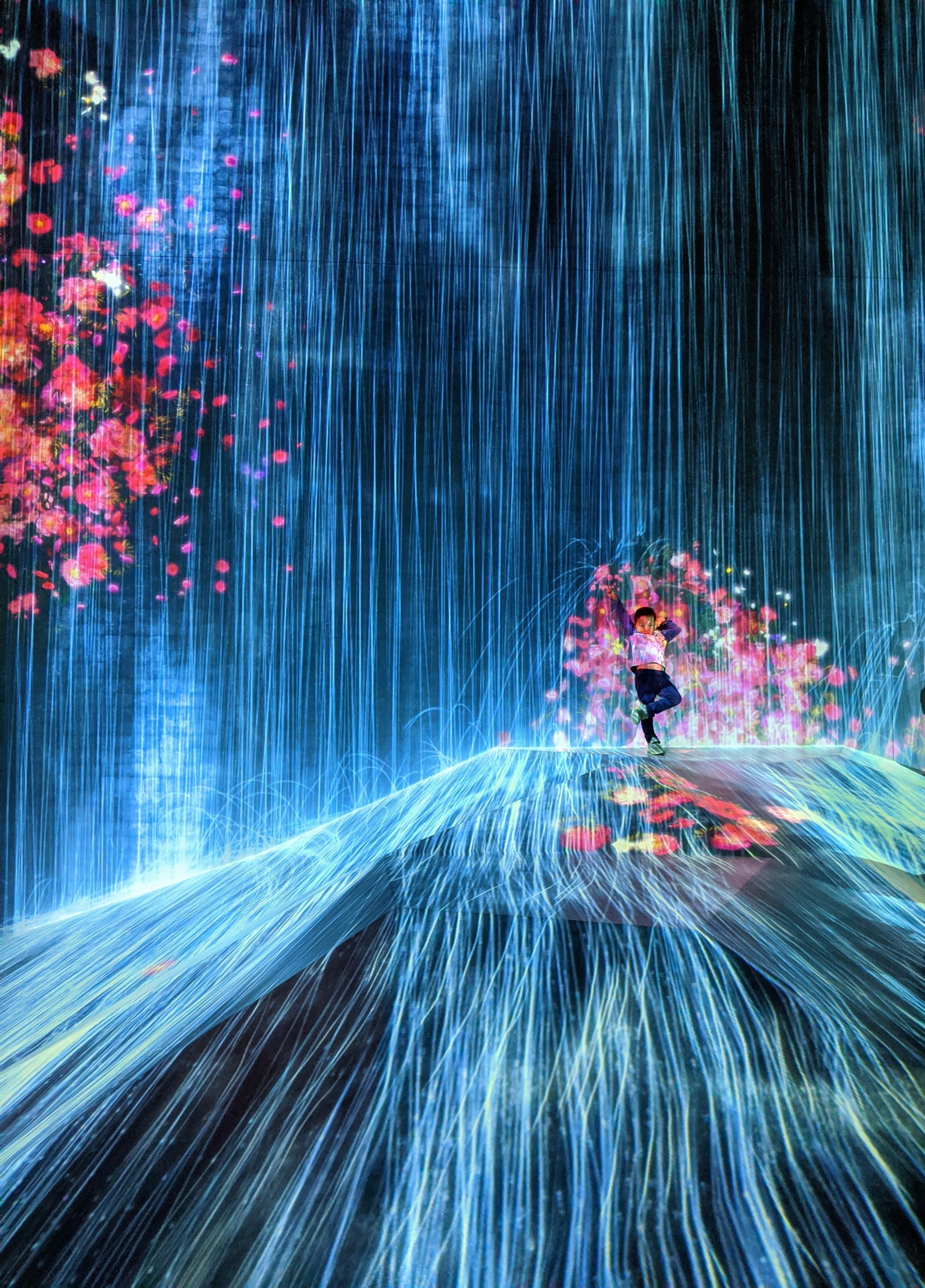
 Angela Xu
![[Review] teamLab Borderless Photo Tour: Inside Tokyo's Interactive Museum for Art & Tech](https://images.unsplash.com/photo-1593073637686-cc056c151c1e?crop=entropy&cs=tinysrgb&fit=max&fm=jpg&ixid=M3wxMTc3M3wwfDF8c2VhcmNofDR8fHRlYW1sYWIlMjBib3JkZXJsZXNzfGVufDB8fHx8MTc3NDE0ODExN3ww&ixlib=rb-4.1.0&q=80&w=600)